
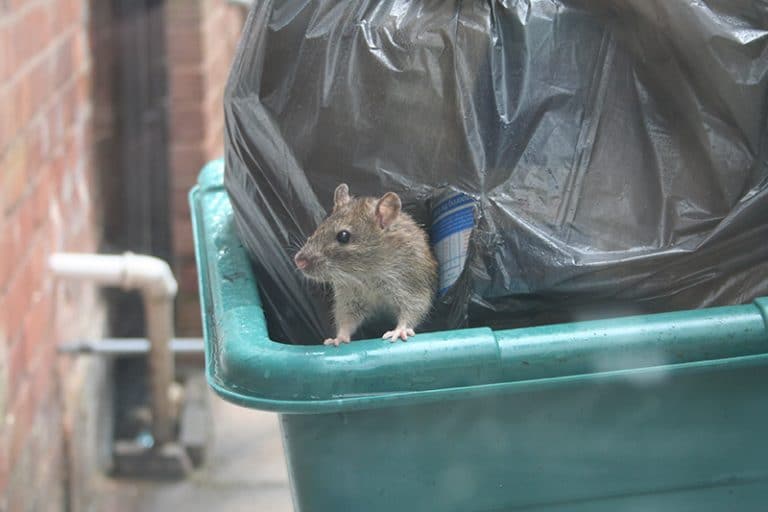
When pests show up in commercial spaces, the stakes are higher than most people realize. A spider sighting in an office breakroom might seem minor, until employees start refusing to use it. Mice in a church basement can quickly become a full-blown infestation that disrupts services. And in schools? Even a single pest incident can trigger parent complaints, health concerns, and regulatory headaches.
Here in Cheyenne, we’ve seen it all. Wyoming’s unique climate and geography create pest pressures that differ from other regions, and commercial properties face challenges that residential pest control simply doesn’t address. That’s why we put together this guide to pest management plans specifically designed for offices, schools, and churches in our community.
Why Commercial Properties in Cheyenne Need Specialized Pest Management
Commercial buildings aren’t just bigger homes, they operate differently and face unique vulnerabilities. High foot traffic means more entry points and more opportunities for pests to hitch a ride inside. Shared spaces, food service areas, and complex HVAC systems create environments where pests can thrive undetected.
Cheyenne’s semi-arid climate presents its own challenges. Our cold winters drive rodents and insects indoors seeking warmth, while summer brings wasps, ants, and other pests looking for food and water. The elevation and temperature swings mean we deal with pest behaviors that don’t always match what you’d see in other parts of the country.
For offices, pest problems can tank employee morale and productivity. Schools face strict health regulations and the added responsibility of protecting children. Churches often have kitchens, fellowship halls, and older buildings with plenty of cracks and crevices where pests love to hide.
A one-size-fits-all approach simply doesn’t work. That’s why specialized pest management plans account for each building’s specific use, occupancy patterns, and vulnerabilities.
Common Pests Affecting Offices, Schools, and Churches in Wyoming
Knowing your enemy is half the battle. Here are the most frequent troublemakers we encounter in Cheyenne’s commercial properties:
Rodents remain the top concern for most facilities. Mice and rats can squeeze through surprisingly small openings, contaminate food storage areas, and cause structural damage by gnawing on wires and insulation. They reproduce quickly, a small problem becomes a major infestation fast.
Ants are persistent invaders, particularly in buildings with kitchens or break rooms. Identifying the species matters because different ants require different treatment approaches.
Cockroaches are masters at hiding and can enter through the smallest cracks. If you spot one during daylight hours, there are likely many more you’re not seeing.
Spiders commonly appear in less-trafficked areas like storage rooms, basements, and attics. While most are harmless, wolf spiders and black widows do inhabit our region and warrant attention.
Wasps build nests around building exteriors, posing risks to anyone with allergies. Schools and churches with outdoor activities need to monitor for nests regularly.
Bed bugs have made an unwelcome comeback, primarily due to increased travel. They can hitchhike into any building on clothing or bags and spread quickly if not addressed early.
Key Components of an Effective Pest Management Plan
A solid pest management plan isn’t just about spraying chemicals when you see a bug. It’s a comprehensive strategy that addresses prevention, monitoring, and response. Here’s what every commercial property in Cheyenne should include:
Thorough Initial Inspection
Before any treatment begins, we conduct detailed inspections covering the entire property, inside and out. We examine entry points, identify current pest activity, assess conditions that attract pests, and evaluate the building’s specific vulnerabilities.
Customized Treatment Protocol
Based on inspection findings, we develop treatment plans tailored to each property. This might include chemical-free deterrents, non-toxic baits and traps, or targeted treatments for specific pest issues. For facilities with children or sensitive populations, we prioritize organic and eco-friendly solutions.
Entry Point Remediation
Pest control is only as good as your prevention efforts. We advise on sealing cracks, installing door sweeps, repairing screens, and addressing any structural issues that allow pests inside.
Ongoing Monitoring and Maintenance
One-time treatments rarely solve the problem permanently. Effective plans include regular inspections and preventive treatments on a schedule that makes sense for your property’s risk level.
Documentation and Reporting
Commercial properties, especially schools, need records. We provide detailed documentation of all inspections, treatments, and recommendations for your compliance files.
Integrated Pest Management Strategies for Commercial Buildings
Integrated Pest Management (IPM) represents the gold standard for commercial pest control. Rather than relying solely on pesticides, IPM combines multiple approaches to manage pests more effectively and safely.
The foundation of IPM is prevention. We work with facility managers to eliminate the conditions pests need to survive, food sources, water, and shelter. This might mean improving sanitation practices, fixing leaky pipes, or recommending better food storage protocols.
Monitoring comes next. Regular inspections and strategically placed monitoring devices help us detect pest activity early, before small problems escalate. We track trends over time to identify patterns and anticipate issues.
When intervention becomes necessary, IPM prioritizes the least toxic effective methods first. Physical controls like traps, barriers, and exclusion techniques often solve problems without any chemical application. When pesticides are needed, we use targeted applications rather than broad spraying.
For bed bug infestations specifically, we’ve adopted Cryonite® treatment, a green solution that uses recycled CO2 to freeze and eliminate bed bugs without toxic chemicals. Heat treatments at 135°F are another chemical-free option that penetrates hiding spots conventional methods miss.
IPM isn’t just better for the environment. It’s often more effective long-term because it addresses root causes rather than just symptoms.
Compliance and Safety Considerations for Schools and Public Spaces
Schools and public buildings face stricter regulations around pest control, and rightfully so. Children, elderly congregants, and people with health sensitivities deserve extra protection.
Wyoming schools must comply with state health department guidelines that govern pesticide use in educational facilities. This typically includes notification requirements, restrictions on application timing, and documentation standards. Ignoring these rules can result in fines and liability issues.
Churches and community centers, while not always subject to the same regulations, still bear responsibility for the safety of their members. Many congregations include young children in nurseries and elderly individuals who may be more vulnerable to chemical exposures.
That’s why we emphasize chemical-free and organic pest control options whenever possible. Our green solutions work effectively while minimizing risk to building occupants. Methods like Cryonite® treatment can be safely used in schools, hospitals, nursing homes, and similar sensitive environments.
We also work around your schedule. Schools might prefer treatments during breaks or after hours. Churches may need service timed around weekend services and midweek activities. Flexibility in scheduling helps maintain normal operations while keeping pest problems under control.
Proper documentation protects everyone. We maintain detailed records of all products used, application methods, and safety data sheets so you can demonstrate compliance if questions arise.
Seasonal Pest Prevention Tips for Cheyenne Properties
Wyoming’s seasons bring predictable pest patterns. Staying ahead of them makes management much easier.
Fall and Winter
As temperatures drop, rodents and insects seek shelter indoors. This is the time to inspect building exteriors for gaps and cracks, check door seals and weatherstripping, and ensure storage areas are organized with items off the floor. Pay special attention to loading docks, utility entrances, and any areas where pipes or wires enter the building.
Spring
Warmer weather brings ants and other insects back to life. Clean out gutters, trim vegetation away from building foundations, and address any moisture issues that developed over winter. Spring is also prime time for comprehensive inspections before pest populations explode.
Summer
Wasps become aggressive as colonies grow. Check building exteriors regularly for nests, especially near entrances and outdoor gathering areas. Schools should inspect playground equipment and outdoor facilities before the new academic year begins.
Year-Round Practices
- Keep kitchens and break rooms clean with food properly stored
- Empty trash regularly and use sealed containers
- Fix plumbing leaks promptly
- Reduce clutter where pests can hide
- Report pest sightings immediately so small problems don’t grow
Setting up an ongoing treatment plan with regular service visits keeps your property protected through every season.
Conclusion
Pest management for Cheyenne’s commercial properties requires more than occasional reactive treatments. Offices, schools, and churches each face unique challenges that demand customized, proactive approaches.
At Best Pest Control, we’ve spent decades protecting Wyoming properties from every pest imaginable, from common ants to stubborn bed bug infestations. As a local, family-owned company, we understand what Cheyenne buildings face and how to keep them pest-free year-round.
If you’re ready to develop a comprehensive pest management plan for your facility, contact us today. We’ll inspect your property and create a solution that protects your building, your people, and your peace of mind.
