
Living in Cheyenne means sharing our neighborhoods with some fascinating, and sometimes frustrating, wildlife. From raccoons rummaging through trash to bats roosting in attics, encounters with wild animals are simply part of life in Wyoming. But here’s the thing: you don’t have to harm these creatures to protect your home and family. Humane wildlife control offers effective solutions that keep animals out while respecting the natural ecosystem we all depend on. We’ve put together this guide to help Cheyenne homeowners understand their options, from DIY prevention strategies to knowing when it’s time to call in the professionals.
Common Wildlife Challenges in Cheyenne Neighborhoods
Cheyenne’s unique high-plains environment attracts a variety of wildlife species that sometimes find our homes more appealing than the open prairie. Understanding what you’re dealing with is the first step toward effective control.
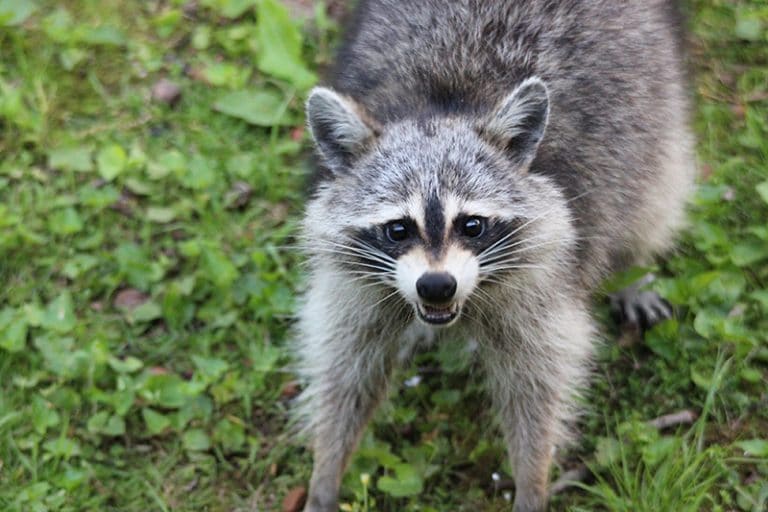
Raccoons are among the most common culprits. These clever animals are drawn to pet food, unsecured garbage, and cozy spaces like attics and crawlspaces. They’re nocturnal, so you might hear them scratching around at night before you ever see one.
Bats frequently establish colonies in Wyoming homes, particularly in older structures with gaps around rooflines. While they’re excellent at controlling insect populations, a bat colony in your attic creates health concerns from accumulated guano.
Snakes, including the occasional rattlesnake, seek shelter in basements, garages, and rock walls. Most species are harmless and actually beneficial, but we understand why homeowners prefer they stay outside.
Skunks and voles round out the usual suspects. Skunks den under porches and decks, while voles can devastate landscaping, creating dead patches and holes throughout your lawn.
The key is recognizing that these animals aren’t invading maliciously, they’re just looking for food, water, and shelter. That perspective makes humane control methods both practical and appropriate.
Why Humane Wildlife Control Matters
We get it, when there’s a raccoon in your attic or a snake in your garage, your first instinct probably isn’t compassion. But humane wildlife control isn’t just about being nice to animals. It’s actually the smarter approach for several reasons.
First, many wildlife species play crucial roles in Wyoming’s ecosystem. Bats consume enormous quantities of mosquitoes and agricultural pests. Snakes control rodent populations. Removing these animals through lethal means can create imbalances that lead to bigger problems down the road.
Second, inhumane methods often don’t solve the underlying issue. Kill one raccoon, and another will likely move into the same space if you haven’t addressed what attracted the first one. Humane approaches focus on exclusion and habitat modification, solutions that provide lasting results.
There are also legal considerations. In Wyoming, certain species receive protection under state and federal regulations. Bats, for instance, can’t simply be exterminated. Working with professionals who understand these laws protects you from potential fines.
Finally, humane methods are safer for your family and pets. Poison baits and lethal traps create risks that exclusion methods simply don’t. When we protect wildlife humanely, we’re protecting our households too.
Exclusion Methods That Keep Animals Out Safely
Exclusion is the gold standard of humane wildlife control, and for good reason. Instead of dealing with animals after they’ve moved in, you’re preventing entry in the first place.
Start with a thorough inspection of your home’s exterior. Look for gaps around rooflines, damaged soffit vents, holes near utility lines, and cracks in your foundation. Raccoons can squeeze through openings as small as four inches, while mice need only a quarter-inch gap. Check chimney caps and dryer vents too.
Sealing entry points requires the right materials. Hardware cloth (quarter-inch mesh) works well for most applications. Metal flashing can reinforce areas where animals might chew through softer materials. Avoid using foam alone, most wildlife will tear right through it.
One-way doors are particularly useful when animals have already established themselves in a space. These devices allow wildlife to exit naturally but prevent re-entry. Once the animals have left, which typically takes a few days, you can permanently seal the opening.
For bats specifically, exclusion timing matters. Wyoming law prohibits excluding bats during maternity season (roughly May through August) when flightless pups might be trapped inside. A professional can help you navigate these regulations.
Don’t forget about your yard. Bury hardware cloth around deck perimeters to prevent skunks from denning underneath. Install chimney caps with spark arrestors that also keep out birds and squirrels.
Live Trapping and Relocation Best Practices
Sometimes exclusion isn’t enough, you need to remove an animal that’s already made itself at home. Live trapping offers a humane solution, though it requires more skill than many homeowners realize.
Choosing the right trap is essential. Cage traps come in various sizes: using one that’s too small risks injuring the animal, while oversized traps may not trigger properly. For raccoons, we recommend traps at least 32 inches long. Squirrels need something in the 18-24 inch range.
Bait selection depends on your target species. Raccoons respond well to marshmallows, cat food, or fish. Squirrels prefer peanut butter and nuts. For skunks, try canned fish, but be prepared for the obvious risks.
Here’s where things get tricky: relocation isn’t always legal or advisable. Wyoming regulations govern where and when you can relocate wildlife. Many animals don’t survive relocation anyway, particularly if moved during breeding season or harsh weather. Release sites must be far enough away to prevent return but suitable for the species’ survival.
We strongly recommend checking traps at least every 12 hours. Leaving an animal in a trap longer creates unnecessary stress and potential injury, plus it’s just not right.
Honestly? Unless you have experience, live trapping is one area where professional help makes sense. The nuances of trap placement, species-specific techniques, and legal requirements are significant.
Deterrents and Habitat Modification Strategies
Prevention beats cure every time. By making your property less attractive to wildlife, you reduce the likelihood of conflicts in the first place.
Eliminate food sources. This seems obvious, but it’s often overlooked. Secure garbage cans with locking lids or bungee cords. Bring pet food inside at night. Clean up fallen fruit from trees. If you have a compost pile, use an enclosed bin rather than an open heap.
Manage your landscape. Trim tree branches that overhang your roof, squirrels and raccoons use these as highways to your attic. Keep grass trimmed short near your foundation to reduce cover for snakes and voles. Remove brush piles and stack firewood away from your house.
Motion-activated deterrents can be surprisingly effective. Sprinklers that trigger when animals approach work well for larger wildlife like deer and raccoons. Ultrasonic devices have mixed reviews, but some homeowners swear by them.
Lighting matters too. Many problem species are nocturnal and avoid well-lit areas. Motion-activated lights around entry points and garbage storage can discourage nighttime visitors.
For voles specifically, and we see a lot of vole damage in Cheyenne, habitat modification is critical. These rodents thrive in tall grass and heavy mulch. Creating a gravel barrier around your home’s foundation and reducing mulch depth to under three inches helps considerably.
When to Call a Professional Wildlife Control Service
DIY approaches work great for prevention and minor issues. But certain situations call for professional expertise.
Safety concerns should prompt an immediate call. Snakes you can’t identify, raccoons acting strangely (possible rabies), or any animal showing aggression toward humans or pets, these aren’t DIY situations. At Best Pest Control, we’re trained to handle dangerous wildlife safely, and we have the proper equipment to protect both you and the animals.
Large infestations typically require professional intervention. A single bat is one thing: a colony of 50 is something else entirely. Same goes for extensive rodent activity or multiple skunks denning under your property.
Structural damage often accompanies wildlife problems. If animals have been in your attic or walls for any length of time, there’s likely damage that needs assessment, not just from the animals themselves, but from urine, feces, and nesting materials that can affect insulation and air quality.
Legal requirements also factor in. As mentioned, certain species have protected status, and improper handling can result in fines. Wildlife control professionals understand these regulations and ensure compliance.
When choosing a service, look for companies with specific wildlife experience, not just general pest control. Ask about their methods, relocation practices, and follow-up procedures. At Best Pest Control, we’ve served Wyoming homeowners since 1998, and we understand the unique wildlife challenges Cheyenne residents face. We’ll protect your property, pets, and family from the dangers that wildlife can pose while treating animals humanely.
Conclusion
Humane wildlife control isn’t just the ethical choice, it’s the effective one. By focusing on exclusion, habitat modification, and professional assistance when needed, Cheyenne homeowners can resolve wildlife conflicts without unnecessary harm. Whether you’re sealing entry points, modifying your landscape, or calling in experts, the goal remains the same: protecting your home while respecting the creatures that share our Wyoming environment. When wildlife problems arise, we’re here to help with solutions that work for everyone.
