
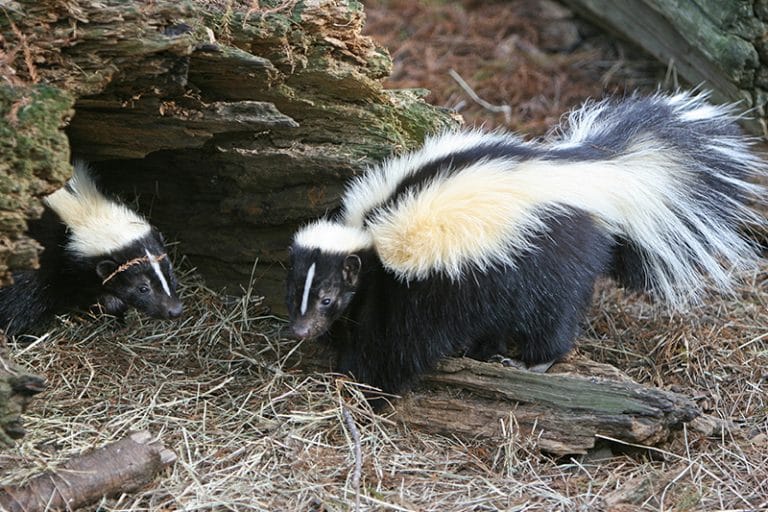
When summer rolls into Cheyenne, we’re not the only ones enjoying the warmer weather. Skunks waddle through backyards at dusk, raccoons raid garbage cans under cover of darkness, and various critters become increasingly bold about exploring residential areas. If you’ve noticed more wildlife activity around your property lately, you’re not imagining things, summer brings a surge of animal encounters that can catch homeowners off guard.
At Best Pest Control, we’ve helped Cheyenne families deal with unwanted wildlife visitors for decades. In this guide, we’ll walk you through why summer attracts more wildlife to your yard, which animals you’re most likely to encounter, and practical steps to keep your property, and family, safe.
Why Wildlife Activity Increases During Cheyenne Summers
Summer in Cheyenne creates the perfect storm of conditions that draw wildlife closer to human habitation. The combination of abundant food sources, longer daylight hours, and breeding cycles means animals are more active and visible than at any other time of year.
Warmer temperatures drive animals to search for water, which can be scarce during Wyoming’s dry summer months. Your bird bath, pet water bowl, or even a dripping garden hose becomes an irresistible attraction. Meanwhile, vegetable gardens reach peak production, fruit trees bear ripe offerings, and insects, a primary food source for many wildlife species, are everywhere.
Breeding season also plays a significant role. Many mammals give birth in spring, and by summer, mothers are actively foraging to feed growing offspring. This means female skunks, raccoons, and other animals are bolder and more determined in their search for food. They’ll take risks they’d normally avoid, venturing into yards, garages, and even homes if they sense an easy meal.
Cheyenne’s location at the edge of the high plains means we share our neighborhoods with a diverse range of wildlife species that don’t exist in more urban environments. Prairie meets suburban development here, and animals simply don’t recognize property lines. When natural food sources fluctuate or habitats get disturbed by construction, wildlife adapts, often by moving closer to residential areas where resources are more reliable.
Common Wildlife You’ll Encounter in Cheyenne
Knowing what you’re dealing with is half the battle when it comes to wildlife management. While Cheyenne residents might encounter everything from bats to snakes, skunks and raccoons are among the most frequent visitors to local properties.
Skunks: Identification and Behavior Patterns
Skunks are unmistakable with their distinctive black and white coloring, but many people don’t realize there’s more than one species in Wyoming. The striped skunk is most common in Cheyenne, typically weighing between 6 and 10 pounds with that classic pattern we all recognize.
These animals are primarily nocturnal, so you’ll usually spot them around dusk or dawn. They have poor eyesight but excellent hearing and smell, which explains why they can seem oblivious to your presence until you’re uncomfortably close. Skunks are generally docile creatures that prefer to avoid confrontation, but when they feel threatened, their spray can travel up to 15 feet and cause temporary blindness and nausea.
Skunks are attracted to grubs, insects, and pet food left outdoors. They’re excellent diggers, so if you’re finding small, cone-shaped holes throughout your lawn, a skunk is likely hunting for grubs beneath the surface. They’ll also den under porches, sheds, and other structures, especially if they’re raising young.
Raccoons: What Attracts Them to Your Property
Raccoons are remarkably intelligent and adaptable, which makes them particularly challenging to deter. Their dexterous front paws can open latches, turn doorknobs, and pry lids off containers that seem secure. They’ve learned that human environments offer easy access to food and shelter.
In Cheyenne, raccoons are drawn to properties by unsecured garbage cans, compost piles, pet food, and bird feeders. They’re omnivores with a wide-ranging diet, so almost anything edible is fair game. We’ve seen raccoons raid koi ponds, break into chicken coops, and even tear apart roofing materials to access attics.
Raccoons can carry rabies and roundworm parasites, making them a genuine health concern. Their droppings can contaminate soil and surfaces, creating hazards for children and pets. If you’re seeing raccoons regularly, it’s worth taking action before they establish your property as part of their territory.
How to Prevent Wildlife From Visiting Your Yard
Prevention is always easier than removal. A few proactive steps can make your property far less appealing to wildlife looking for their next meal or nesting site.
Secure your garbage. This sounds obvious, but it’s where most people fail. Standard trash can lids are no match for a determined raccoon. Consider investing in wildlife-resistant containers or storing your bins in a garage until pickup day. Clean your cans periodically to remove food odors that attract animals from a distance.
Eliminate food sources. Bring pet food and water bowls inside at night. Pick up fallen fruit from trees. If you maintain bird feeders, use designs that don’t scatter seed on the ground, or consider suspending feeding during summer months when wildlife is most active.
Address shelter opportunities. Wildlife needs safe places to rest and raise young. Seal gaps under porches, decks, and sheds with hardware cloth or similar barriers. Trim back overgrown vegetation near your home’s foundation. Keep woodpiles and debris away from structures.
Modify your landscape. Motion-activated lights and sprinklers can deter nocturnal visitors. Keep your lawn well-maintained, as shorter grass reduces insect populations that attract skunks and other animals. Fix any water leaks and avoid overwatering, which creates the moist conditions that draw insects.
Don’t create accidental feeding stations. Compost bins should be fully enclosed. Vegetable gardens may need fencing. Even things like outdoor grills can attract wildlife if they’re not cleaned after use.
We know these steps require effort, but they’re genuinely effective. Many of our customers at Best Pest Control are surprised at how quickly wildlife activity decreases once they’ve addressed the attractants on their property.
What to Do When You Encounter Wildlife on Your Property
Even though your best prevention efforts, you may still come face-to-face with wildlife this summer. How you respond matters for both your safety and the animal’s.
Stay calm and keep your distance. Most wildlife wants nothing to do with you. Give the animal space and a clear escape route. Never corner or approach wildlife, even if it appears docile. Remember that mothers with young are particularly unpredictable.
Don’t attempt capture or removal yourself. We can’t stress this enough. Wild animals are unpredictable, and many carry diseases that can be transmitted through bites or scratches. Even a small skunk or raccoon can inflict serious injury when frightened. Improper handling can also cause the animal undue stress or harm.
Secure pets and children. If you spot wildlife in your yard, bring pets inside immediately. Dogs in particular may see wildlife as prey or a threat, leading to confrontations that rarely end well for either party. Keep children away from windows where they might startle the animal.
Document what you see. Note the animal’s behavior, location, and time of day. Is it moving normally or acting strangely? Does it appear sick or injured? This information helps professionals assess the situation. Animals that are active during unusual hours or seem disoriented may be ill.
Call professionals for persistent problems. A single raccoon passing through your yard isn’t necessarily cause for alarm. But repeated sightings, evidence of nesting, or animals that refuse to leave indicate a bigger issue. At Best Pest Control, we specialize in humane wildlife removal and can address the root causes that attracted animals to your property in the first place.
If you suspect an animal has entered your home or is living under a structure, don’t try to handle it alone. We’ve seen well-intentioned homeowners make situations worse by sealing animals inside or separating mothers from their young. Professional intervention protects your family and ensures the animal is dealt with appropriately.
Conclusion
Summer wildlife encounters are a reality of life in Cheyenne, but they don’t have to become a problem. By understanding what attracts animals to your property and taking preventive measures, you can enjoy your outdoor spaces without unwanted visitors.
When prevention isn’t enough, Best Pest Control is here to help. We’ve protected Wyoming families from wildlife hazards since 1998, and we know how to handle whatever critters come your way. If skunks, raccoons, or other wildlife are making themselves at home on your property, don’t wait, contact us today and let us restore your peace of mind.
