
Running a restaurant in Cheyenne means juggling a dozen priorities at once, quality ingredients, trained staff, customer satisfaction, and yes, pest control. It’s not exactly the glamorous side of the food service industry, but it’s one of the most critical. A single pest sighting can torpedo your reputation faster than a bad Yelp review, and health inspectors don’t offer second chances when rodents or roaches show up uninvited.
We’ve helped countless food service businesses across Wyoming tackle pest problems before they spiral out of control. In this guide, we’ll walk you through the specific challenges Cheyenne restaurants face, the pests most likely to cause trouble, and the proven strategies that keep kitchens clean, inspections passing, and customers coming back.
Why Pest Control Is Critical for Cheyenne Food Service Businesses
Let’s be blunt: pests and food service don’t mix. Beyond the obvious “ick factor,” there are real consequences when cockroaches, rodents, or flies make themselves at home in your establishment.
First, there’s the health risk. Rodents can transmit diseases to humans, while cockroaches spread bacteria like Salmonella and E. coli across food prep surfaces. One contamination incident can sicken customers and expose your business to serious liability.
Then there’s the financial hit. A failed health inspection can result in temporary closure, fines, and mandatory re-inspections. Even if you pass, word travels fast in a city like Cheyenne. Diners share their experiences, and a pest sighting can undo years of hard-earned trust.
Finally, consider your staff. No one wants to work in an environment overrun with pests. High turnover becomes inevitable when employees feel uncomfortable, or worse, unsafe, in your kitchen.
We’ve seen businesses bounce back from pest issues, but it’s always harder and more expensive than preventing problems in the first place. Proactive pest control isn’t just a line item on your budget: it’s an investment in your restaurant’s survival.
Common Pests That Threaten Restaurants in Cheyenne
Cheyenne restaurants face a rogues’ gallery of pests, each with its own habits and hiding spots. Knowing your enemy is half the battle.
Cockroaches are arguably the most dreaded. These resilient insects enter through the smallest cracks, reproduce rapidly, and can turn into a full-blown infestation before you realize what’s happening. If you’re seeing them scatter when the kitchen lights flip on, or noticing their feces (which resemble coffee grounds or black pepper), you’ve got a problem.
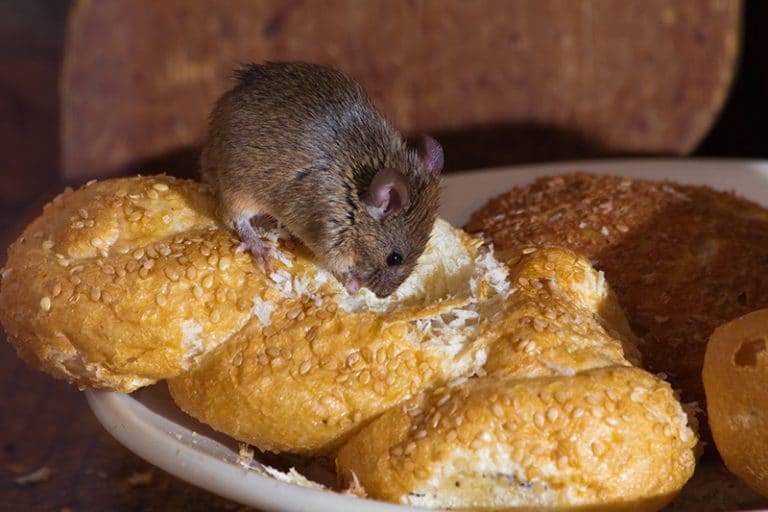
Rodents, mice and rats, seek out food sources and warmth, making commercial kitchens irresistible. They gnaw through packaging, contaminate stored goods, and leave droppings that pose serious health hazards.
Ants may seem like a minor nuisance, but certain species can overwhelm a space quickly. Different ant types require different treatment approaches, which is why proper identification matters.
Flies thrive anywhere food waste accumulates. Beyond being annoying, they carry pathogens directly onto food and prep surfaces.
Wasps often nest near outdoor dining areas, posing a sting risk to customers and staff, especially dangerous for anyone with allergies.
Each of these pests requires a tailored approach. Generic solutions rarely work in food service environments where the stakes are this high.
Integrated Pest Management Strategies for Food Service Establishments
Integrated Pest Management (IPM) isn’t just industry jargon, it’s a systematic approach that combines prevention, monitoring, and targeted treatment. For restaurants, IPM means addressing the root causes of pest problems rather than simply reacting to infestations.
Preventive Measures Every Restaurant Should Carry out
Prevention starts with your physical space. Inspect your building regularly for cracks, gaps around pipes, and damaged door seals. Pests exploit even tiny entry points, so closing these gaps is essential.
Sanitation practices matter just as much. Empty trash bins frequently, clean grease traps on schedule, and never leave food waste sitting overnight. Store dry goods in airtight containers, and keep storage areas organized so you can spot problems early.
Employee training is often overlooked. Your staff should know the signs of pest activity and report issues immediately. A culture of vigilance catches problems before they escalate.
Working With Licensed Pest Control Professionals
DIY solutions have their limits, especially in commercial settings. Licensed professionals bring expertise, specialized equipment, and access to treatment options that aren’t available over the counter.
At Best Pest Control, we start every commercial engagement with a thorough inspection. We identify current pest activity, potential entry points, and conditions that attract pests. From there, we develop a customized treatment plan, often incorporating organic, chemical-free options like non-toxic baits and traps where appropriate.
Ongoing treatment plans are particularly valuable for restaurants. Regular visits help repel pests before they become visible problems, keeping you ahead of issues rather than chasing them.
Health Code Compliance and Inspection Readiness
Wyoming’s health codes don’t leave much room for error when it comes to pests. Inspectors look for evidence of rodent activity, insect infestations, and conditions that attract pests, like improper food storage or inadequate waste management.
Failing an inspection triggers a cascade of consequences: mandatory re-inspection, potential fines, and in severe cases, temporary closure. Even a conditional pass with noted violations can damage your reputation if inspection results are publicly accessible.
Staying inspection-ready requires documentation. Keep records of your pest control service visits, treatment applications, and any corrective actions taken. Inspectors appreciate seeing a proactive approach, and thorough records demonstrate you’re taking the issue seriously.
We recommend scheduling professional pest control visits at least monthly for most food service establishments. Higher-risk environments, think busy kitchens, older buildings, or locations near green spaces, may benefit from more frequent service.
Beyond scheduled visits, conduct your own weekly walkthroughs. Check storage areas, inspect behind equipment, and look for signs like droppings, gnaw marks, or unusual odors. Catching problems early makes treatment faster and less disruptive.
Seasonal Pest Challenges in Cheyenne’s Climate
Cheyenne’s climate creates distinct seasonal pest pressures that restaurants need to anticipate.
Spring brings increased ant activity as colonies expand and scout for food sources. Wasps begin building nests around structures, often near outdoor dining areas or loading docks.
Summer amplifies fly populations. Warm temperatures accelerate breeding cycles, and any gap in sanitation practices gets punished quickly. This is also peak season for outdoor pests to find their way indoors through open doors and delivery entrances.
Fall triggers rodent migrations. As temperatures drop, mice and rats seek shelter and warmth, commercial kitchens offer both in abundance. This is when we see the sharpest spike in rodent calls from food service clients.
Winter doesn’t mean pest problems disappear. Rodents that found their way inside during fall settle in for the long haul. Cockroaches, comfortable in heated indoor environments, continue breeding year-round.
Understanding these patterns allows for strategic prevention. Sealing entry points before fall, increasing fly control measures in summer, and addressing ant colonies early in spring all reduce the likelihood of full-blown infestations.
Our team at Best Pest Control adjusts service plans seasonally, anticipating these shifts and addressing vulnerabilities before pests take hold.
Conclusion
Pest control isn’t optional for Cheyenne restaurants, it’s foundational. Protecting your customers, your staff, and your reputation requires consistent effort, smart prevention, and professional support when needed.
At Best Pest Control, we’ve served Wyoming businesses since 1998, and we understand the unique challenges food service establishments face. Whether you’re dealing with an active infestation or want to stay ahead of problems, we’re ready to help. Contact us today and let’s keep your kitchen pest-free.
