
Buying or selling a home in Cheyenne is exciting, until an unexpected pest problem threatens to derail the entire deal. Whether you’re a first-time buyer or a seasoned investor, a pest inspection is one of those steps that can save you thousands of dollars and countless headaches down the road. We’ve seen transactions fall apart over termite damage that went unnoticed and deals renegotiated because of rodent infestations hiding in crawl spaces. In this guide, we’ll walk you through everything you need to know about pest inspections for real estate transactions in Cheyenne, from what inspectors look for to how the results can affect your closing.
Why Pest Inspections Matter in Cheyenne Real Estate Deals
A pest inspection isn’t just a formality, it’s a critical safeguard for both buyers and sellers. For buyers, it reveals hidden damage that could cost tens of thousands to repair. For sellers, it provides transparency and can actually speed up the closing process by eliminating surprises.
Cheyenne’s unique climate creates specific pest pressures. Our cold winters don’t eliminate pests the way many people assume: instead, rodents and insects often seek shelter inside homes, causing damage that goes undetected until an inspection uncovers it. Termites alone cause up to $5 billion in property damage across the U.S. every year, and catching an infestation early can mean the difference between minor treatment and major structural repairs.
Lenders sometimes require pest inspections before approving financing, especially for VA and FHA loans. Even when it’s not mandatory, we strongly recommend one. The relatively small cost of an inspection pales in comparison to discovering wood-destroying insects after you’ve already signed the papers and moved in.
Common Pests That Threaten Cheyenne Properties
Understanding which pests pose the biggest threats helps you know what inspectors are looking for, and why certain findings matter more than others.
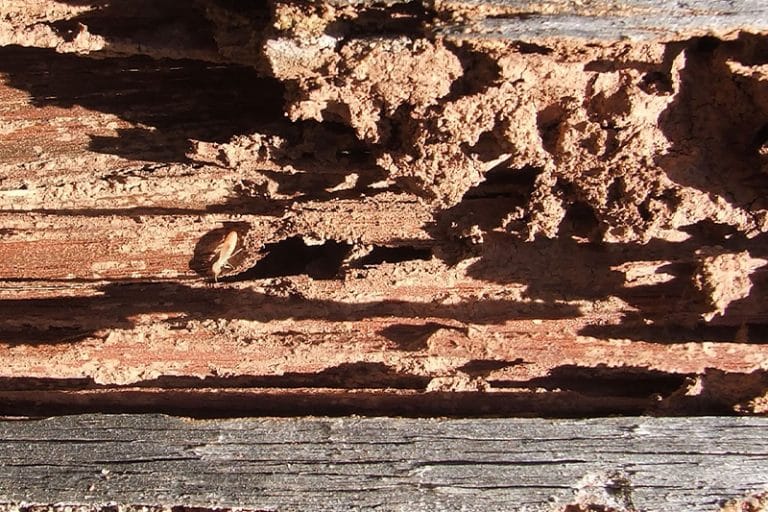
Termites are the heavyweight champions of property damage. In Cheyenne, we see them create mud tubes along foundations and walls, leading to soft spots in floors, drywall, and trim. Left unchecked, they can compromise a home’s structural integrity.
Rodents like mice and rats might look harmless, but they chew through wiring, insulation, and even plumbing. Beyond property damage, they transmit diseases to humans and can create serious health hazards.
Ants are among the most common pests we encounter. While many species are merely nuisances, carpenter ants excavate wood to build their nests, causing damage similar to termites.
Bed bugs have made an unwelcome comeback in Wyoming, largely due to increased travel. They hitch rides on clothing and luggage, and since females can lay up to 5 eggs per day and live for 300 days, infestations escalate quickly.
Spiders, including wolf spiders and black widows, often hide in attics, crawl spaces, and wood piles. While most are harmless, their presence can indicate other pest problems they’re feeding on.
Voles wreak havoc on landscaping, causing dead patches, holes in lawns, and damage to plants and trees. For properties with significant outdoor space, vole damage can affect property value.
Wildlife such as bats, snakes, and raccoons occasionally take up residence in homes, creating both property damage and safety concerns.
What Happens During a Pest Inspection
A thorough pest inspection typically takes one to two hours, depending on the property’s size and accessibility. Here’s what you can expect.
The inspector starts with the exterior, examining the foundation, siding, eaves, and any visible wood structures. They’re looking for mud tubes, entry points, damaged wood, and signs of nesting. Wood piles, landscaping beds, and areas where soil meets the structure receive close attention.
Inside, the inspection covers accessible areas including basements, crawl spaces, attics, and living spaces. Inspectors check behind walls where possible, examine window frames and door jambs, and look for droppings, gnaw marks, and other evidence of pest activity.
It’s worth noting that pest inspections focus primarily on wood-destroying organisms and insects, termites, carpenter ants, wood-boring beetles, and similar threats. Some inspectors also check for rodents and other pests, but this can vary. If you’re concerned about specific pests like bed bugs or wildlife, make sure to discuss this with your inspector beforehand.
At Best Pest Control, our inspections start with a thorough examination of your property, after which we advise on any issues found and potential entry points that could attract future pests.
Who Pays for the Pest Inspection and When to Schedule It
The question of who pays for the pest inspection is negotiable and varies by transaction. In Cheyenne’s market, buyers typically order and pay for the inspection as part of their due diligence. But, sellers sometimes offer to cover this cost to make their property more attractive, especially in a competitive market.
In some cases, lenders require a pest inspection as a condition of financing. When this happens, the buyer usually covers the cost, though it can be negotiated into the purchase agreement.
Timing matters. Schedule your pest inspection during the inspection contingency period, usually within the first 10-15 days after the purchase agreement is signed. This gives you time to:
- Review the findings
- Request repairs or treatment if necessary
- Negotiate with the seller before contingencies expire
We recommend scheduling the pest inspection around the same time as the general home inspection. Some buyers even hire companies that can perform both, streamlining the process. If issues are found, you’ll want enough time to get repair estimates and have meaningful negotiations before your contingency deadline.
Understanding Your Pest Inspection Report
Pest inspection reports can look intimidating at first glance, but they’re actually straightforward once you know what to look for.
Most reports are divided into sections covering different areas of the property. Each section notes whether evidence of pests was found, what type of pest, and the severity of any damage. You’ll typically see findings categorized as:
- Active infestations: Current pest activity requiring immediate treatment
- Previous infestations: Evidence of past problems that may or may not have been treated
- Conditions conducive to infestation: Issues like wood-to-soil contact, moisture problems, or debris that could attract pests
Pay close attention to damage assessments. Inspectors will note whether damage is cosmetic, moderate, or structural. Cosmetic issues might be as simple as surface marring, while structural damage could require significant repairs.
The report should also include recommendations. These might range from treatment for active infestations to preventive measures like sealing entry points or addressing moisture issues.
Don’t hesitate to call the inspector with questions. A good inspector will walk you through their findings and explain which issues are most pressing. Understanding the severity helps you prioritize during negotiations.
Negotiating Repairs and Next Steps After the Inspection
Finding pests or damage doesn’t have to kill a deal, but it does require smart negotiation.
Once you have your report, get estimates for any necessary treatment or repairs. This gives you concrete numbers to work with rather than guessing. For serious issues like termite damage, you might want multiple estimates.
Common negotiation approaches include:
- Seller pays for treatment and repairs before closing
- Credit at closing so the buyer can handle repairs themselves
- Price reduction to account for the cost of addressing issues
- Split the cost between buyer and seller
The right approach depends on the severity of the problem and local market conditions. In a seller’s market, buyers have less leverage. In a buyer’s market, sellers are often more willing to accommodate repair requests.
If treatment is needed, consider who will perform the work. At Best Pest Control, we offer multiple treatment options depending on the pest and severity, from chemical treatments and heat treatments to eco-friendly solutions like Cryonite for bed bugs. Having a trusted local company lined up can speed the process considerably.
For ongoing protection, we recommend setting up a treatment plan after closing. Regular inspections and preventive treatments help repel pests and catch new problems early, protecting your investment for years to come.
Conclusion
A pest inspection is a small investment that protects one of the biggest purchases you’ll ever make. Whether you’re buying or selling in Cheyenne, understanding the process, and what to do with the results, puts you in control. Don’t let hidden pest damage catch you off guard. If you need an inspection or treatment for a property, Best Pest Control is here to help protect your home and your peace of mind.
