
If you’ve spotted something crawling across your kitchen floor at 2 a.m. or noticed mysterious holes appearing near your foundation, you’re probably wondering whether it’s time to call in the professionals. A pest inspection is often the first step toward reclaiming your home, but if you’ve never scheduled one before, the process can feel a bit mysterious.
Here in Cheyenne, we deal with a unique mix of pests thanks to our climate, altitude, and Wyoming’s wide-open spaces. From termites that can cause thousands in damage to bed bugs hitching rides home from your latest trip, knowing what’s lurking in your walls or crawl spaces is essential for protecting your property and family.
At Best Pest Control, we’ve been helping Cheyenne homeowners tackle pest problems since 1998. In this guide, we’ll walk you through exactly what happens during a professional pest inspection, from the moment we arrive to the final report, so you know what to expect and how to prepare.
Why Pest Inspections Matter for Cheyenne Homeowners
Let’s be honest: nobody wants to think about pests in their home. But ignoring the problem doesn’t make it go away, it usually makes things worse. Pest inspections aren’t just about finding creepy crawlies: they’re about protecting your biggest investment.
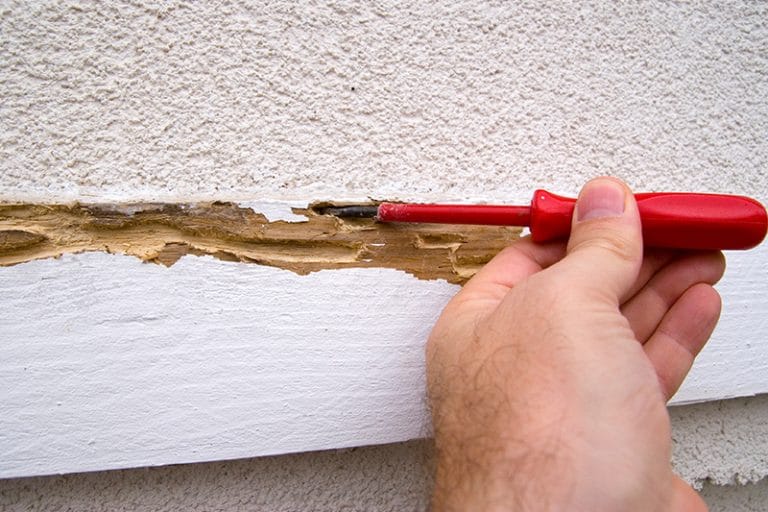
Termite damage alone costs American homeowners up to $5 billion every year. Here in Wyoming, we see our fair share of wood-destroying insects, and by the time you notice visible damage, soft spots in floors, crumbling drywall, or mud tubes snaking up your foundation, the infestation has often been going on for months or even years.
But it’s not just termites. Rodents can chew through electrical wiring and create fire hazards. Bed bugs reproduce rapidly (females lay up to 5 eggs a day and can live for 300 days), meaning a small problem can become a full-blown infestation before you even realize what’s happening. Cockroaches spread bacteria and allergens throughout your living spaces.
Cheyenne’s climate creates specific challenges, too. Our cold winters drive pests indoors seeking warmth and food, while summer months bring increased insect activity around foundations and entry points. Regular inspections help us catch problems early, before they escalate into expensive repairs or health concerns.
Whether you’re buying a new home, selling your current one, or simply want peace of mind, a professional pest inspection gives you the complete picture of what’s happening inside and outside your property.
How to Prepare Your Home Before the Inspection
A thorough pest inspection requires access to areas you might not think about very often. Taking a few simple steps before we arrive can help the process go smoothly and ensure we don’t miss anything important.
Clear Access to Key Areas
We’ll need to examine spaces where pests typically hide or enter your home. This means clearing pathways to:
- Attics and crawl spaces – Move stored boxes or furniture blocking access doors
- Basements – Clear clutter away from walls and corners
- Garages – We need to see along the walls and floor edges
- Under sinks – Remove cleaning supplies and stored items
- Behind large appliances – If possible, pull refrigerators and stoves away from walls slightly
You don’t need to deep clean your entire house. But reducing clutter in key areas helps us spot evidence of pest activity that might otherwise be hidden. Pests love clutter because it gives them more places to hide, so if you’ve got stacks of cardboard boxes in the basement or garage, consider this a good excuse to finally go through them.
Also, make sure exterior areas are accessible. Trim back any overgrown vegetation touching your home’s foundation, and if you have firewood stacked against the house (a common pest harbor), note that we’ll want to inspect around and behind it.
Document Any Pest Activity You’ve Noticed
You know your home better than we do. Before the inspection, jot down any unusual activity you’ve observed:
- When and where did you see pests?
- What did they look like? (Even rough descriptions help)
- Have you noticed droppings, shed skins, or damage?
- Are there specific times of day when activity seems worse?
- Have you heard scratching or rustling in walls or ceilings?
This information helps us focus our inspection and identify pest patterns. Sometimes what seems like a minor detail, “I only see them near the back door after it rains”, points us directly toward an entry point or moisture problem attracting pests.
If you’ve already tried DIY treatments, let us know what products you used and where. This helps us understand what we’re working with and whether resistance might be a factor.
What Happens During the Inspection Process
When our inspector arrives, they’ll start with a brief conversation about your concerns and any pest activity you’ve documented. Then the real work begins, a systematic examination of your entire property, inside and out.
Interior Inspection Points
Inside your home, we examine areas where pests commonly live, feed, and travel. This includes:
Kitchen and bathrooms – These moisture-rich environments attract cockroaches, ants, and silverfish. We’ll check under sinks, behind appliances, and around plumbing penetrations where pests enter.
Basements and crawl spaces – Dark, damp, and often undisturbed, these areas are prime real estate for rodents, spiders, and termites. We look for droppings, nesting materials, mud tubes, and wood damage.
Attics – Rodents, bats, and insects often make homes in attic spaces. We examine insulation for damage, check for droppings, and look for entry points along the roofline.
Bedrooms and living areas – For bed bug inspections especially, we’ll examine mattress seams, box springs, headboards, and nearby furniture. Bed bugs are excellent hiders, they squeeze into cracks barely wider than a credit card.
Wall voids and electrical outlets – Pests travel through wall cavities. We listen for activity, check for evidence around outlets, and look for signs of gnawing or damage.
Throughout the interior inspection, we’re not just looking for live pests. We’re searching for evidence: droppings, shed skins, egg casings, damaged wood, grease marks from rodent fur, and anything else that tells the story of pest activity.
Exterior and Foundation Assessment
The outside of your home often reveals how pests are getting inside. Our exterior inspection covers:
Foundation walls – We walk the entire perimeter looking for cracks, gaps, mud tubes (termite highways), and entry points. Even small openings around utility lines or HVAC equipment can let pests in.
Siding and trim – Wood-boring insects and carpenter ants often target damaged or decaying wood. We check for soft spots, holes, and discoloration.
Roof and eaves – Gaps around the roofline, damaged soffit vents, and areas where different materials meet provide entry for bats, birds, squirrels, and insects.
Landscaping and drainage – Vegetation touching your home creates “pest bridges.” Poor drainage and standing water attract mosquitoes and create moisture conditions that draw other pests.
Outbuildings and wood piles – These often harbor pest populations that eventually migrate to your main structure.
We also assess environmental conditions, is there excessive moisture near the foundation? Rotting wood? Nearby food sources like bird feeders or unsecured garbage? Understanding these factors helps us recommend both treatment and prevention strategies.
Common Pests Inspectors Look for in Cheyenne
Wyoming’s climate and geography mean we deal with a specific cast of pest characters. Here’s what we’re typically on the lookout for during Cheyenne inspections:
Termites – These wood-destroying insects work silently, often causing significant damage before homeowners notice. We look for mud tubes on foundations, damaged wood that sounds hollow when tapped, and discarded wings near windows and doors.
Rodents – Mice and rats seek shelter in our homes, especially during cold Wyoming winters. Signs include droppings, gnaw marks, grease rubs along walls, and nesting materials. They can chew through wiring, contaminate food, and transmit diseases.
Bed bugs – We’ve seen these blood-sucking pests make an unwelcome comeback in Wyoming, largely due to increased travel. They hitch rides on clothing and luggage, making them nearly impossible to prevent entirely. We look for live bugs, shed skins, blood spots on bedding, and their distinctive musty odor.
Ants – From carpenter ants that damage wood to common household ants invading your pantry, ant infestations are extremely common. Identifying the specific species is crucial, it determines where nests are located and which treatment will work best.
Spiders – While most are harmless, we do have black widows and brown recluse spiders in our region. We check attics, crawl spaces, garages, and wood piles where spiders commonly build webs and hunt.
Cockroaches – These resilient pests can enter through incredibly small cracks. They reproduce quickly and spread bacteria. If you see one, there are usually many more hiding.
Wasps and stinging insects – Nests around eaves, in wall voids, or underground near foundations pose real dangers, especially for those with allergies.
Wildlife – Bats, raccoons, and snakes occasionally take up residence in Wyoming homes. We identify entry points and signs of wildlife habitation during our inspections.
Voles – These small rodents damage lawns and gardens, creating distinctive surface tunnels and eating plant roots.
Understanding Your Inspection Report and Next Steps
After completing the inspection, we don’t just hand you a piece of paper and disappear. We walk you through everything we found, explain what it means, and discuss your options.
Your inspection report will include:
- Identified pests – What we found, where we found it, and the severity of activity
- Evidence documented – Photographs of damage, droppings, entry points, or other signs
- Risk areas – Conditions conducive to pest activity, even if no current infestation exists
- Recommended treatments – Specific solutions tailored to your situation
- Prevention suggestions – Steps you can take to reduce future pest problems
At Best Pest Control, we believe in giving you options. Depending on the situation, we might recommend chemical treatments, organic methods, heat treatment for bed bugs, Cryonite® (a chemical-free freezing method), or a combination approach. We also offer green, chemical-free solutions for families with kids and pets, or anyone who simply prefers a more eco-friendly approach.
For some pest problems, a single treatment does the job. Others, like persistent ant colonies or severe infestations, may require multiple visits. We’ll be upfront about what to expect, including realistic timelines and whether ongoing prevention treatments make sense for your property.
The goal isn’t just to eliminate current pests. We want to help you understand why they showed up and how to keep them from coming back.
Questions to Ask Your Inspector Before They Leave
Before our inspector heads out, take advantage of their expertise. Here are questions worth asking:
“What specific pest evidence did you find, and where?” – Get the details. Knowing exactly where problems exist helps you monitor those areas going forward.
“How severe is the infestation?” – Understanding the scope helps you prioritize treatment and budget accordingly.
“What’s attracting pests to my home?” – Is it moisture? Entry points? Food sources? Knowing the underlying cause helps prevent recurrence.
“What treatment options do I have?” – Ask about both chemical and chemical-free solutions, especially if you have concerns about kids, pets, or sensitive individuals in your home.
“How long will treatment take, and will I need to leave my home?” – Some treatments, like heat treatment for bed bugs, require you to vacate temporarily. Others are minimally disruptive.
“What can I do to prevent future infestations?” – Simple changes, sealing entry points, reducing moisture, storing food properly, can make a big difference.
“Do you offer ongoing prevention plans?” – Regular treatments can help repel pests before they become problems, especially here in Cheyenne where seasonal pest pressure is real.
“What’s your guarantee?” – At Best Pest Control, we’re fully licensed, insured, and stand behind our work with a service guarantee. Don’t hesitate to ask about this.
A good inspector should be happy to answer your questions thoroughly. If someone seems rushed or dismissive, that’s a red flag.
Conclusion
A pest inspection might not be the most exciting item on your to-do list, but it’s one of the smartest investments you can make in your Cheyenne home. Whether you’re dealing with a current problem or simply want to stay ahead of potential issues, knowing what’s happening inside your walls, beneath your floors, and around your foundation gives you the power to act before small problems become expensive disasters.
At Best Pest Control, we’ve been protecting Wyoming homes since 1998. As a family-owned and operated company, we understand that your home is more than just a building, it’s where your family lives, sleeps, and makes memories. Our promise is to get rid of the bugs and pests so you can have absolute peace of mind.
If it creeps or crawls, contact Best Pest Control. We’ll conduct a thorough inspection, explain exactly what we find, and work with you to develop a treatment plan that fits your needs, whether that’s chemical treatment, organic methods, or our cutting-edge Cryonite® technology for bed bugs. Give us a call or contact us today to schedule your inspection.
