
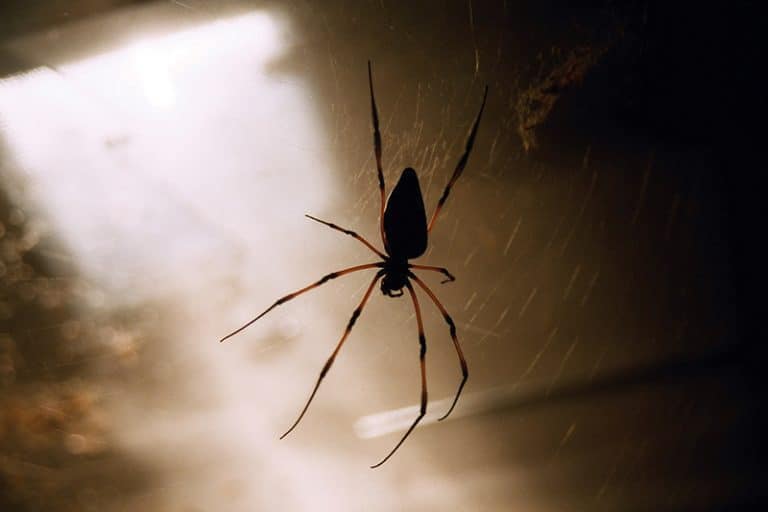
There’s something about winter in Cheyenne that makes you appreciate being indoors. The wind howls, temperatures plummet, and everything outside seems to hunker down for survival. Unfortunately, spiders feel the same way. As the cold sets in across Wyoming, these eight-legged visitors start looking for warm places to ride out the season, and your home looks pretty inviting.
At Best Pest Control Cheyenne, we’ve seen firsthand how winter spider problems can catch homeowners off guard. You might assume bugs disappear when it’s freezing outside, but spiders are surprisingly resourceful. They’ll find their way into attics, crawl spaces, basements, and even wood piles near your home. The good news? With the right approach, you can keep your Cheyenne home cobweb-free all winter long.
Key Takeaways
- Spiders invade Cheyenne homes in winter seeking warmth, shelter, and the insects they prey on—so controlling other pests helps reduce spider activity.
- Seal cracks in foundations, gaps around windows and doors, and utility penetrations to block common spider entry points before the cold season.
- Most winter spiders in Cheyenne are harmless, but black widow sightings require immediate professional pest control due to their venomous bite.
- Regular vacuuming removes spiders, webs, and egg sacs before they hatch—focus on corners, baseboards, and storage areas.
- Store firewood at least 20 feet from your home and switch cardboard boxes to sealed plastic containers to eliminate spider hiding spots.
- Call a professional if you spot dangerous species, find spiders in living areas, or the infestation persists despite DIY efforts.
Why Spiders Invade Cheyenne Homes in Winter
Spiders aren’t big fans of Wyoming winters any more than we are. When outdoor temperatures drop, their survival instincts kick in and they start searching for shelter. Your home offers exactly what they need: warmth, protection from the elements, and a steady food supply.
Here’s the thing most people don’t realize. Spiders don’t just wander inside randomly. They follow their prey. During winter, other insects like flies, moths, and small beetles seek refuge indoors too. Where there’s food, spiders will follow. It’s a simple equation that plays out in homes across Cheyenne every year.
The way spiders get inside is pretty sneaky. They squeeze through:
- Cracks in your foundation
- Gaps around windows and doors
- Openings where pipes and wires enter your home
- Vents and exhaust fan covers
- Worn weatherstripping
Once inside, they head for quiet, undisturbed areas. Basements, attics, closets, and storage rooms become prime real estate. They’ll spin webs in corners, behind furniture, and anywhere they can catch a meal without being bothered.
Cheyenne’s dry climate actually makes indoor environments even more appealing to certain spider species. Inside your home, they find not just warmth but also the humidity levels they prefer for breeding. So what starts as one or two spiders seeking shelter can quickly become a larger problem if left unchecked.
Common Spider Species Found in Cheyenne During Cold Months
Not all spiders are created equal, and knowing what you’re dealing with can help determine how urgently you need to act. Most spiders you’ll encounter in your Cheyenne home during winter are harmless, but a few deserve extra caution.
Wolf Spiders are one of the most common winter visitors in Wyoming homes. These large, hairy spiders look intimidating, and finding one scurrying across your floor at night will definitely get your heart racing. They don’t spin webs like other spiders. Instead, they actively hunt their prey. Wolf spiders are not aggressive toward humans, but their size alone makes most people uncomfortable.
House Spiders are exactly what they sound like. They’ve adapted to living alongside humans and build those messy, tangled webs you find in corners and behind furniture. They’re harmless and actually help control other insects, but nobody wants webs decorating their living room.
Black Widow Spiders are the ones we take seriously. While not extremely common in Cheyenne homes, they do exist in Wyoming and can find their way inside. Black widows are identifiable by their shiny black bodies and the distinctive red hourglass marking on their abdomen. Their bite is venomous and requires medical attention. If you spot one of these, don’t try to handle it yourself.
Cellar Spiders, sometimes called daddy longlegs, build loose, irregular webs in dark, damp areas like basements and cellars. They’re completely harmless but can create quite a mess with their webbing over time.
The bottom line is this: while most spiders are harmless, seeing a wolf spider or black widow should be cause for alarm. We recommend getting professional help to thoroughly inspect your home if you encounter either of these species.
Signs of a Spider Infestation in Your Home
How do you know if you have a few random spiders or an actual infestation on your hands? There are some telltale signs to watch for.
Webs everywhere. The most obvious sign is finding webs in multiple locations throughout your home. Check corners where walls meet ceilings, behind furniture, in closets, and around light fixtures. A few webs here and there are normal. Webs appearing faster than you can clean them up? That’s a problem.
Frequent spider sightings. Seeing one spider occasionally isn’t unusual. But if you’re spotting multiple spiders every week, or finding them in various rooms, you likely have an established population breeding somewhere in your home.
Egg sacs. Spider egg sacs look like small, round, silk-wrapped balls, usually white or tan colored. A single egg sac can contain hundreds of baby spiders. Finding these in your home means the infestation is multiplying. Common spots include behind furniture, in storage boxes, in corners of closets, and anywhere else that stays undisturbed.
Dead insects in webs. Active webs with caught insects show that spiders are successfully hunting in your home. This indicates both a spider presence and the insect population that’s sustaining them.
Other pest activity. Since spiders follow their food sources, a spider problem often signals a secondary pest issue. If you have lots of spiders, you probably also have an abundance of flies, moths, or other insects they’re feeding on.
Pay special attention to less-visited areas of your home. Attics, crawl spaces, basements, and garage corners are spider favorites. During your inspection, also check woodpiles stored near the house since these provide excellent spider habitat and give them easy access to your home.
Effective Prevention Tips for Winter Spider Control
Prevention is always easier than dealing with an established infestation. Here’s how to make your Cheyenne home less inviting to winter spiders.
Sealing Entry Points Around Your Home
The best defense against spiders is keeping them out in the first place. Start by walking around the exterior of your home and looking for any gaps or cracks where spiders could enter.
- Check your foundation. Small cracks in concrete or gaps where the foundation meets siding are common entry points. Use caulk or expandable foam to seal these openings.
- Inspect windows and doors. Look at the seals around window frames and door frames. Replace worn weatherstripping and add door sweeps if there are gaps at the bottom of exterior doors.
- Examine utility penetrations. Anywhere pipes, wires, or cables enter your home is a potential spider highway. Seal around these openings with appropriate materials.
- Cover vents properly. Attic vents, dryer vents, and exhaust fans should have fine mesh screens to keep spiders out while allowing proper ventilation.
- Fix damaged screens. Torn window screens and screen doors are open invitations for all kinds of pests, including spiders.
This kind of exclusion work takes some effort, but it pays off all winter long. You’re not just keeping out spiders. You’re also blocking the insects they hunt, which eliminates their reason to enter in the first place.
Reducing Indoor Clutter and Hiding Spots
Spiders love clutter. They need quiet, undisturbed spaces to build webs and raise their young. By reducing hiding spots in your home, you make the environment much less hospitable.
- Clean storage areas regularly. Basements, attics, and closets that sit untouched for months become spider paradise. Go through these spaces periodically, even just to move things around and disrupt any settling spiders.
- Switch from cardboard to plastic. Cardboard boxes are ideal spider hiding spots. Switching to sealed plastic storage containers removes potential habitats and protects your belongings from pest damage.
- Keep things off the floor. Stored items sitting directly on basement or garage floors are prime spider territory. Use shelving to elevate storage and make cleaning underneath easier.
- Declutter closets. Piles of clothes, shoes, and boxes in the back of closets attract spiders looking for undisturbed nesting sites. Keep closets organized and vacuum corners regularly.
- Move firewood away from the house. Woodpiles are natural spider habitats. Store firewood at least 20 feet from your home’s exterior, and only bring in what you’ll burn immediately.
Regular vacuuming is one of your best tools against spiders. Vacuuming removes not just visible spiders and webs but also eggs sacs before they can hatch. Pay extra attention to corners, baseboards, and behind furniture.
When to Call a Professional Pest Control Service
DIY prevention works well for keeping spider numbers low, but sometimes the problem is bigger than what home remedies can handle. Here’s when it makes sense to bring in professional help.
You’ve spotted dangerous species. If you find black widow spiders in your home, don’t mess around. These spiders hide in dark, sheltered areas and their bites are medically significant. Professional treatment is the safest approach.
The infestation keeps coming back. You’ve cleaned, sealed, and decluttered, but the spiders just keep appearing. This usually means there’s a larger issue at play, either a significant breeding population inside the home or an entry point you haven’t found.
You’re finding spiders in living areas. A few spiders in the basement is one thing. Finding them regularly in bedrooms, kitchens, or around children’s play areas is another matter entirely.
You have a secondary pest problem. Remember, spiders follow their food. A serious spider population often indicates a robust insect population that’s also worth addressing professionally.
At Best Pest Control Cheyenne, we take a thorough approach to spider problems. We check attics, crawl spaces, and even wood piles to find and eliminate spiders from your property. It’s not just about killing the spiders you can see. It’s about finding where they’re coming from and stopping the problem at its source.
We also offer chemical-free pest control options for families with kids and pets, or anyone who prefers eco-friendly solutions. And for ongoing protection, we can set up treatment plans that help repel spiders and other pests throughout the year.
Conclusion
Winter spider control in Cheyenne doesn’t have to be a losing battle. With some proactive prevention, regular cleaning habits, and attention to potential entry points, you can significantly reduce spider activity in your home during the cold months.
That said, some infestations need professional intervention. Whether you’re dealing with harmless house spiders that have gotten out of control or you’ve spotted something more concerning like a black widow, getting expert help is the smart move.
If it creeps or crawls, Best Pest Control Cheyenne is ready to help. We serve homeowners and commercial properties throughout Wyoming, tackling everything from spiders and ants to termites and rodents. Our team knows where spiders hide and how to eliminate them effectively.
Don’t spend the winter sharing your home with unwanted eight-legged guests. Give us a call or contact us today to schedule an inspection. We’ll make sure your Cheyenne home stays comfortable and cobweb-free all season long.
Frequently Asked Questions About Winter Spider Control in Cheyenne
Why do spiders invade Cheyenne homes during winter?
Spiders seek warmth, shelter, and food when Wyoming temperatures drop. They follow prey insects like flies and moths that also move indoors. Cheyenne’s dry climate makes heated homes especially attractive, offering the humidity levels spiders prefer for breeding and survival.
How can I keep my Cheyenne home cobweb-free in winter?
Seal cracks in your foundation, gaps around windows and doors, and openings where pipes enter. Reduce indoor clutter, switch to plastic storage containers, vacuum corners regularly, and store firewood at least 20 feet from your home. These steps eliminate hiding spots and entry points.
What are the signs of a spider infestation in my home?
Watch for webs appearing faster than you can remove them, frequent spider sightings in multiple rooms, egg sacs in undisturbed areas, and dead insects in webs. Spider activity often indicates a secondary pest problem, as spiders follow their insect prey indoors.
Are black widow spiders common in Wyoming homes?
Black widows aren’t extremely common in Cheyenne homes but do exist in Wyoming. Identifiable by shiny black bodies and red hourglass markings, their bites are venomous and require medical attention. If you spot one, contact a professional pest control service immediately rather than handling it yourself.
Do spiders die off in winter or stay active indoors?
Many spider species remain active indoors throughout winter. While some outdoor spiders enter a dormant state, those that find their way into heated homes continue hunting, breeding, and spinning webs. This is why winter spider control remains important for Cheyenne homeowners.
When should I call a professional for spider control?
Contact professionals if you spot dangerous species like black widows, infestations keep returning despite DIY efforts, spiders appear regularly in living areas, or you have a secondary insect problem. Professional pest control can locate breeding sites and entry points you may have missed.
