
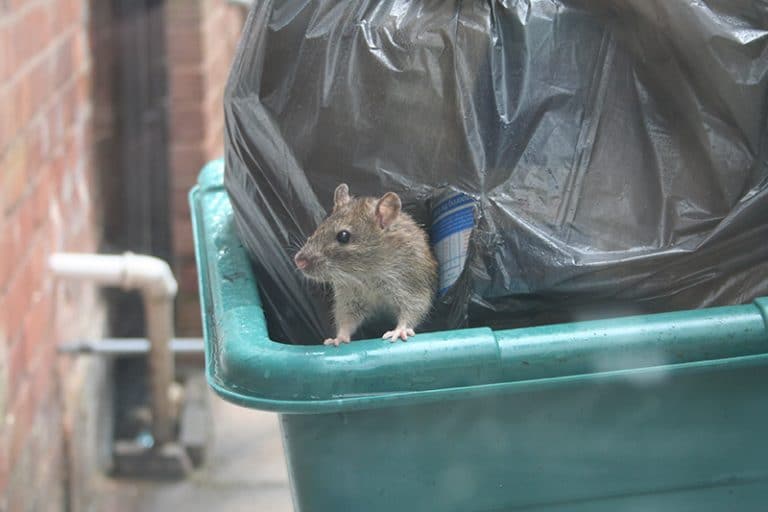
You’ve set out the snap traps. You’ve tried the sticky pads. Maybe you even went down a YouTube rabbit hole and built some contraption with a bucket and a spinning dowel. And yet, here you are, still hearing scratching in the walls at 2 AM.
If this sounds familiar, you’re not alone. We talk to Cheyenne homeowners every week who’ve spent months battling mice on their own, only to realize they’re not making a dent. The truth is, DIY mouse traps rarely solve the actual problem. They might catch a mouse or two, but they don’t address why rodents are in your home in the first place, or how many more are hiding where you can’t see them.
At Best Pest Control Cheyenne, we’ve helped countless residents and businesses across Wyoming tackle rodent infestations the right way. And we’ve seen firsthand what happens when well-meaning DIY efforts drag on too long. Let’s talk about why those store-bought traps aren’t cutting it and what actually works for Cheyenne’s unique rodent challenges.
Key Takeaways
- DIY mouse traps catch individual mice but fail to address root causes like entry points, attractants, and hidden populations.
- Cheyenne’s high plains climate and seasonal swings drive rodent invasions, especially during late fall and spring breeding seasons.
- Rodents can become “trap shy,” and smarter breeding adults often avoid store-bought traps entirely, sustaining infestations.
- Incomplete rodent control leads to serious health risks (including hantavirus from deer mice), property damage, and exponential population growth.
- Professional rodent control includes strategic trap placement, entry point sealing, and addressing attractants—not just more traps.
- Long-term prevention requires sealing gaps with steel wool or hardware cloth, eliminating food and water sources, and scheduling seasonal inspections.
Understanding Cheyenne’s Unique Rodent Challenges
Cheyenne isn’t like other cities when it comes to pest control. Our high plains climate, elevation, and seasonal swings create conditions that make rodent problems particularly stubborn. If you’re going to tackle a mouse or rat issue, you need to understand what you’re dealing with locally.
Seasonal Behavior and Climate Factors
Wyoming winters are no joke. When temperatures drop and the wind picks up, rodents do exactly what you’d do, they look for warmth and shelter. Your home becomes a refuge, and once they’re inside, they’re not eager to leave.
But here’s what catches many people off guard: rodent activity doesn’t just spike in winter. Late fall is prime invasion season as mice and rats prepare for cold weather. And in spring, breeding activity ramps up dramatically. A single pair of mice can produce dozens of offspring in just a few months, which means a small problem in October can become a full-blown infestation by March.
Cheyenne’s dry climate also plays a role. Rodents need water, and our arid conditions push them toward homes where they can find moisture, think leaky pipes, pet water bowls, or condensation around appliances.
Common Species in the Cheyenne Area
Not all rodents behave the same way, and knowing what you’re dealing with matters for effective control:
- House mice are the most common culprits. They’re small, agile, and can squeeze through gaps as tiny as a dime. They prefer to nest close to food sources.
- Deer mice are prevalent in rural and semi-rural areas around Cheyenne. They’re a bigger health concern because they can carry hantavirus.
- Norway rats are less common but show up in older neighborhoods and commercial areas. They’re larger, more cautious, and harder to trap.
- Voles often get mistaken for mice but tend to cause damage in yards and gardens before moving toward structures.
Each species has different habits, nesting preferences, and trap responses. A one-size-fits-all approach from the hardware store simply doesn’t account for these differences.
Why Store-Bought and Homemade Traps Fall Short
Let’s be real: those $5 packs of snap traps and glue boards aren’t designed to eliminate an infestation. They’re designed to catch individual mice. There’s a big difference.
Here’s why DIY mouse traps fail so often:
You’re only catching the easy ones. The mice that wander into your traps tend to be young, inexperienced, or desperate. The smarter, older mice, the breeding adults that are actually sustaining the population, often learn to avoid traps entirely. Rodents are surprisingly intelligent and can become “trap shy” after encountering one.
Placement is everything, and it’s not intuitive. Most people put traps where they’ve seen mice. But rodents travel along walls, behind appliances, and through spaces you probably haven’t inspected. Without understanding their actual pathways, you’re basically guessing.
Bait matters more than you think. Peanut butter works sometimes, but not always. Different species have different food preferences, and what attracted one mouse might be ignored by the next ten.
Quantity is usually way off. For an active infestation, pest control professionals might deploy dozens of traps in strategic locations. Most homeowners set out three or four and call it good.
The root cause goes unaddressed. Even if you catch several mice, more will keep coming if you haven’t sealed entry points and removed attractants. It’s like bailing water out of a boat without plugging the hole.
We’ve walked into homes where the owner had been setting traps for six months or longer, catching mice regularly, but never getting ahead of the problem. That’s a frustrating and expensive cycle to be stuck in.
The Hidden Risks of Incomplete Rodent Control
Here’s the part that makes us genuinely concerned for homeowners trying to handle this alone: the longer a rodent problem goes unresolved, the more serious the consequences become.
Health hazards are real. Rodents don’t just look cute, they can transmit diseases to humans. Mouse and rat droppings contaminate surfaces and food. Deer mice in our area can carry hantavirus, which is rare but serious. Urine and dander can trigger allergies and asthma, especially in kids.
Property damage adds up fast. Mice and rats gnaw constantly to keep their teeth worn down. That means chewed wires (a genuine fire risk), damaged insulation, holes in drywall, and ruined stored items. We’ve seen electrical problems, plumbing leaks, and even structural issues traced back to rodent activity.
Contamination spreads. Rodents don’t stay in one spot. They explore, nest, and leave droppings and urine trails throughout your home. An infestation that started in the garage can spread to your kitchen, attic, and everywhere in between. The longer it persists, the more extensive the cleanup becomes.
Populations grow exponentially. A female mouse can have five to ten litters per year, with five to six pups per litter. Do the math, and you’ll see how quickly a “few mice” becomes a major problem. Every week you spend catching one or two while a dozen more are born puts you further behind.
Secondary pest problems can develop. Rodent nests and food caches can attract other pests, including insects and parasites. A mouse problem can become a flea problem or worse.
The bottom line: incomplete rodent control isn’t just ineffective, it’s risky.
Signs Your DIY Efforts Aren’t Working
How do you know when it’s time to call in professionals? Here are some clear indicators that your DIY mouse trap strategy isn’t getting the job done:
- You’re still catching mice after several weeks. If traps keep producing results, that means the population isn’t declining. You’re treading water, not solving the problem.
- You hear sounds but rarely see evidence. Scratching, scurrying, or squeaking noises, especially at night, suggest activity in walls, ceilings, or crawl spaces where your traps aren’t reaching.
- Droppings keep appearing. Fresh droppings are dark and soft: old ones are gray and crumbly. If you’re seeing fresh droppings regularly, rodents are still active.
- You notice new gnaw marks or damage. Chew marks on food packaging, baseboards, or wires indicate ongoing activity.
- Traps are being triggered but not catching anything. This often means rodents have learned to steal bait without getting caught, or you’re dealing with rats that are too large or cautious for standard mouse traps.
- You smell something musty or unpleasant. Rodent urine has a distinctive ammonia-like odor. If you notice it, you’re likely dealing with a larger population than you realized.
- The problem returns after you thought it was solved. Seasonal reinfestations suggest entry points haven’t been properly sealed.
If any of these sound familiar, it’s time for a different approach. There’s no shame in it, rodent control is genuinely difficult, and professionals exist for a reason.
What Professional Rodent Control Offers
So what’s actually different about professional rodent control? It’s not just “more traps.” It’s a completely different methodology.
At Best Pest Control Cheyenne, our approach starts with a thorough inspection of your property. We’re looking at the full picture: where rodents are getting in, where they’re nesting, what’s attracting them, and how severe the infestation actually is. This assessment drives everything else.
Here’s what professional service typically includes:
Strategic trap and bait placement. We know where rodents travel and how they behave. That means traps go in the right spots, with the right bait, in the right quantities.
Entry point identification and sealing. This is huge. Mice can squeeze through gaps you’d never notice. We find those openings and help you close them off, otherwise, new rodents just replace the ones you remove.
Safe, effective treatment options. We can apply chemical-free pest deterrents, non-toxic baits, or targeted treatments depending on your situation. If you have kids, pets, or just prefer an eco-friendly approach, we have green solutions that work.
Addressing attractants. We’ll advise you on food storage, moisture issues, and other factors that make your property appealing to rodents in the first place.
Ongoing monitoring if needed. Some situations call for follow-up visits to ensure the problem is truly resolved and doesn’t return.
The difference between DIY and professional rodent control is like the difference between putting a bandage on a wound and actually treating an infection. One might feel productive, but only one actually fixes the problem.
Long-Term Prevention Strategies for Cheyenne Homes
Getting rid of an active infestation is only half the battle. Keeping rodents out long-term requires ongoing attention. Here are practical prevention strategies that work in our climate:
Seal entry points thoroughly. Check your foundation, around pipes and utility lines, garage doors, vents, and rooflines. Use steel wool, hardware cloth, or professional-grade sealants, rodents can chew through most caulk and foam.
Eliminate food sources. Store pantry items in airtight containers. Don’t leave pet food out overnight. Keep garbage in sealed bins. Clean up fallen birdseed if you have feeders.
Reduce clutter and hiding spots. Rodents love cluttered garages, storage areas, and basements. The less cover they have, the less comfortable they’ll be.
Address moisture issues. Fix leaky pipes and faucets. Make sure crawl spaces and basements have adequate ventilation. In dry Cheyenne, any water source is attractive to rodents.
Maintain your yard. Keep grass trimmed and vegetation away from your foundation. Woodpiles, debris, and overgrown areas near your home provide shelter for rodents before they move inside.
Consider seasonal inspections. A professional check before winter can catch potential problems early, when they’re easier and cheaper to address.
Prevention isn’t glamorous, but it’s far less expensive and stressful than dealing with repeated infestations. And if you’re not sure where your vulnerabilities are, a professional inspection can identify issues you might miss.
Conclusion
DIY mouse traps have their place, maybe for the occasional mouse that wanders in from the cold. But for an actual infestation? They’re simply not equipped to solve the problem. You end up spending money on traps, spending time setting and checking them, and often making very little progress while the population grows and the damage mounts.
If you’ve been fighting a losing battle against rodents in your Cheyenne home or business, it’s worth getting professional help. Not because DIY is lazy or because we want your money, but because effective rodent control requires expertise, proper tools, and a comprehensive approach that addresses the root causes.
Best Pest Control Cheyenne serves all of Wyoming and specializes in tackling rodent problems the right way. Our green solutions work for residences and businesses, and we’ll help you understand exactly what’s happening and what needs to change. Whether it’s mice, rats, voles, or any other pest that creeps or crawls, we’re ready to help.
Don’t let a rodent problem drag on any longer. Contact us today for a thorough inspection and a real plan to get your home back. You’ll sleep better knowing those 2 AM scratching sounds are finally a thing of the past.
Frequently Asked Questions
Why aren’t DIY mouse traps solving my rodent problem?
DIY mouse traps often fail because they only catch inexperienced mice while smarter breeding adults avoid them. Poor placement, inadequate quantity, and failure to seal entry points mean the population keeps growing. Effective rodent control requires addressing the root cause, not just catching individual mice.
What types of rodents are common in Cheyenne, Wyoming?
Cheyenne homes commonly deal with house mice, deer mice, Norway rats, and voles. House mice are most frequent, while deer mice pose hantavirus risks in rural areas. Norway rats appear in older neighborhoods, and voles typically damage yards before moving toward structures. Each species requires different control strategies.
How do I know if my mouse infestation is getting worse?
Signs your infestation is worsening include continuously catching mice after weeks, hearing scratching sounds in walls, finding fresh dark droppings regularly, discovering new gnaw marks, or noticing a musty ammonia-like odor. If traps keep catching mice without the problem declining, the population is still growing.
When is the best time of year to prevent rodent infestations in Wyoming?
Late fall is prime rodent invasion season in Wyoming as mice and rats seek warmth before winter. However, spring brings dramatic breeding activity, so a small fall problem can become severe by March. Scheduling a professional inspection before winter catches issues when they’re easier and cheaper to address.
How can I permanently keep mice out of my Cheyenne home?
Seal entry points with steel wool or hardware cloth, store food in airtight containers, eliminate moisture sources like leaky pipes, reduce clutter in storage areas, and maintain your yard by trimming vegetation near the foundation. Professional inspections can identify hidden vulnerabilities you might miss.
What health risks do rodent infestations pose to homeowners?
Rodent infestations carry serious health risks including disease transmission through droppings and contaminated surfaces. Deer mice can carry hantavirus, while mouse urine and dander trigger allergies and asthma, especially in children. Droppings also contaminate food storage areas, making prompt professional treatment essential.