
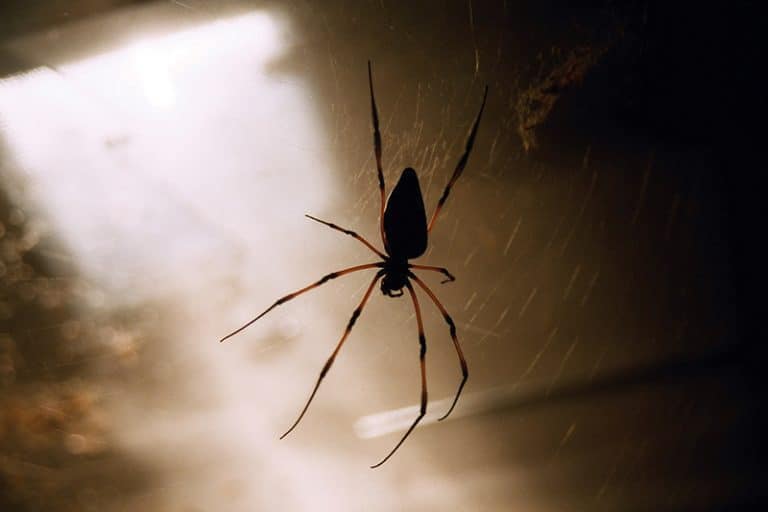
Nobody loves finding spiders in their home. Whether it’s a harmless house spider tucked into a corner or a black widow lurking near your woodpile, these eight-legged visitors can make anyone uncomfortable. And here in Cheyenne, Wyoming, we see our fair share of both.
At Best Pest Control Cheyenne, we’ve spent years helping homeowners and businesses deal with spider problems of all sizes. Some folks just want the cobwebs gone. Others are genuinely concerned about venomous species around their property. Either way, understanding what you’re dealing with is the first step toward taking control. Let’s walk through the spider species common to our area, why they’re showing up in your space, and what you can do about it.
Key Takeaways
- Spider control in Cheyenne starts with identifying common species like house spiders, cellar spiders, and western black widows in your area.
- Spiders enter homes seeking food (insects) and shelter, so an indoor spider problem often signals an underlying pest issue.
- Seal gaps around doors, windows, foundations, and utility lines to physically block spiders from entering your home.
- Reduce clutter in basements, garages, and storage areas, and move woodpiles away from your foundation to eliminate spider hiding spots.
- Western black widows are present in Cheyenne and prefer dark, sheltered outdoor areas—contact a professional if you spot them near living spaces.
- Regular vacuuming of webs and egg sacs, along with reducing outdoor lighting that attracts insects, helps keep spider populations under control.
Common Spider Species Found in Cheyenne Homes
Cheyenne sits at the edge of the high plains, and our climate creates some unique conditions for pest activity. The dry air, temperature swings, and wide-open landscape all play a role in which spider species thrive here. Most of the spiders you’ll encounter are completely harmless, but a few deserve extra attention.
House Spiders and Cellar Spiders
The most common indoor spiders in Cheyenne are the ones you’ve probably seen a hundred times without giving them much thought.
Common house spiders (Parasteatoda tepidariorum) are small, brownish, and build those messy cobwebs you find in corners, behind furniture, and along ceiling edges. They’re not aggressive and pose no real threat to people. Honestly, they’re more of an annoyance than anything else. But when you start seeing webs pop up faster than you can sweep them away, it’s a sign the population is getting out of hand.
Cellar spiders, sometimes called “daddy long-legs” spiders, are another frequent guest. You’ll recognize them by their extremely long, thin legs and light brown color. They love basements, garages, and crawl spaces. Interestingly, cellar spiders actually prey on other spiders, including some of the species you’d rather not have around. Still, nobody wants their basement looking like a Halloween decoration year-round.
Cobweb spiders round out the usual suspects. These belong to the same family as house spiders and black widows (Theridiidae), and they build irregular, tangled webs in garages, sheds, under furniture, and in storage areas. Most are harmless, but their webs can accumulate quickly in undisturbed spaces.
Black Widows and Other Venomous Species
Now for the spider that genuinely warrants caution: the western black widow (Latrodectus hesperus).
Black widows do live in Wyoming, and Cheyenne is definitely within their range. Female black widows are the ones to watch for. They’re shiny black with that distinctive red hourglass marking on the underside of their abdomen. Males are smaller, lighter in color, and rarely cause problems.
Black widows prefer dark, sheltered spots outdoors. Think woodpiles, underneath decks and porches, inside sheds, around foundation gaps, and in cluttered storage areas. They’re not particularly aggressive, but they will bite if they feel threatened, like if you accidentally stick your hand into their hiding spot while grabbing firewood.
A black widow bite is medically significant. It can cause muscle cramps, pain, and other symptoms that may require medical attention, especially for children, elderly individuals, or anyone with compromised health.
Here’s some good news, though. Even though what you might hear, brown recluse spiders are not established in Wyoming. The University of Wyoming has confirmed this. Most suspected “recluse” sightings turn out to be other harmless spiders that look somewhat similar. So while you should stay alert for black widows, you don’t need to lose sleep over brown recluses in Cheyenne.
Why Spiders Enter Cheyenne Homes
Spiders aren’t trying to bother you. They’re following their instincts, which means they’re looking for two things: food and shelter.
Food comes first. Spiders eat insects. Flies, moths, mosquitoes, ants, and other small bugs make up their diet. If your home has insects coming in, spiders will follow. Outdoor lights that attract bugs at night? That’s basically a dinner bell for spiders. Moisture issues that draw in pests? Same thing. In many cases, a spider problem is actually a symptom of another pest problem you might not have noticed yet.
Shelter matters too, especially in Cheyenne. Our winters get cold, our summers get hot, and those dry prairie winds can be brutal. Spiders seek out protected environments where temperatures stay relatively stable. Your basement, crawl space, garage, and attic all fit the bill. So do storage boxes, cluttered closets, and seldom-used rooms.
How do they get in? The usual ways:
- Gaps around doors and windows
- Cracks in the foundation
- Openings where utility lines, cables, and pipes enter
- Torn or missing window screens
- Foundation vents without proper screening
Spiders don’t need much space. Even a tiny gap is enough for most species to squeeze through. And once they’re inside and find a reliable food source, they’ll stick around and reproduce.
Signs of a Spider Infestation
How do you know if you have a spider problem versus the occasional visitor? Here’s what to look for:
- Multiple webs appearing quickly. If you clean up webs and new ones show up within days, spiders are actively building in your space.
- Frequent live sightings. Seeing a spider once in a while is normal. Seeing them regularly in different rooms suggests a larger population.
- Egg sacs. These are small, round or oval silk pouches, often found in corners, under furniture, in storage areas, or in garages. A single egg sac can contain dozens to hundreds of eggs depending on the species.
- Webs in unusual places. Finding webs in living areas, bedrooms, or kitchens (rather than just basements and garages) indicates spiders are spreading throughout your home.
Pay extra attention to dark, undisturbed areas. Check behind stored boxes, under workbenches, in closets you don’t open often, and around outdoor structures like sheds and detached garages. These are prime spots for black widows especially.
Effective Spider Prevention Methods
The good news is that spider control in Cheyenne is very manageable with the right approach. Prevention focuses on two main strategies: keeping spiders out and making your home less attractive to them.
Sealing Entry Points
Exclusion is your first line of defense. You want to physically block the ways spiders get inside.
- Caulk gaps around window frames, door frames, and where the foundation meets the siding.
- Check foundation cracks and seal any openings, even small ones.
- Install or repair door sweeps so there’s no gap under exterior doors.
- Fix or replace damaged window screens.
- Screen foundation vents and check that existing screens are intact.
- Seal around utility penetrations where cables, pipes, and wires enter your home.
This work takes some time, but it pays off. Reducing entry points doesn’t just help with spiders. It cuts down on insects, rodents, and other pests too.
Reducing Attractants Around Your Property
Once you’ve addressed entry points, focus on making your property less appealing to spiders and the insects they eat.
Inside your home:
- Reduce clutter, especially in basements, garages, attics, and storage rooms. Boxes, piles of clothing, and stacked items create perfect hiding spots.
- Vacuum regularly, including corners, ceiling edges, and behind furniture. When you vacuum up webs, egg sacs, and spiders, dispose of the vacuum bag promptly.
- Address moisture issues. Fix leaky pipes, use dehumidifiers in damp basements, and improve ventilation in crawl spaces.
Outside your home:
- Move firewood, brush piles, and stacked materials away from your foundation. Black widows especially love woodpiles leaning against the house.
- Trim back vegetation that touches your home’s exterior.
- Reduce outdoor lighting, or switch to yellow “bug lights” that attract fewer insects. Fewer bugs means fewer spiders following them.
- Keep storage sheds and detached garages organized and clean.
When to Call a Professional Pest Control Service
DIY prevention works well for many situations, but there are times when calling in professionals makes sense.
You’ve spotted black widows. If you’re finding western black widows around your property, especially near areas where people spend time, it’s worth getting expert help. We’ll check attics, crawl spaces, woodpiles, and other harborage areas to find and eliminate them thoroughly.
The problem keeps coming back. You’ve sealed entry points, reduced clutter, and cleaned up webs, but spiders keep appearing. This often means there’s a hidden entry point or an underlying insect problem that’s sustaining the spider population. A professional inspection can identify what you’re missing.
You have vulnerable occupants. Homes with young children, elderly family members, or anyone with health conditions may warrant extra caution when it comes to venomous spiders.
Commercial properties. Businesses, rental properties, and real estate listings all benefit from professional spider control. Nobody wants to show a house with cobwebs everywhere or have customers uncomfortable in a spider-filled space.
At Best Pest Control Cheyenne, we don’t just spray and leave. We look for the source of the problem and set up ongoing treatment plans when needed. We also offer chemical-free pest control options for clients who prefer that approach.
Conclusion
Spider control in Cheyenne comes down to understanding what you’re dealing with and taking practical steps to address it. Most spiders in our area are harmless nuisances that can be managed through exclusion, sanitation, and habitat modification. But western black widows are present here, and they deserve respect. Keeping your home sealed up, reducing clutter and outdoor harborage, and staying vigilant in high-risk areas like garages and crawl spaces will go a long way.
If you’re tired of sweeping up cobwebs, concerned about black widows, or just want the peace of mind that comes from knowing your home has been properly inspected and treated, we’re here to help. Best Pest Control Cheyenne serves homes and businesses throughout Wyoming, and we’ve been tackling spider problems for years. Whether it creeps or crawls, we’ll eradicate it.
Give us a call or contact us today to set up an inspection. Let’s get those spiders out of your space for good.
Frequently Asked Questions About Spider Control in Cheyenne
What types of spiders are most common in Cheyenne, Wyoming?
The most common spiders in Cheyenne include house spiders, cellar spiders (often called daddy long-legs), and cobweb spiders. These species are generally harmless but can create unsightly webs. Western black widows are also present in the area and require caution due to their venomous bite.
Are black widow spiders dangerous in Cheyenne?
Yes, western black widows live in Cheyenne and their bites are medically significant. Female black widows have a distinctive red hourglass marking and prefer dark, sheltered spots like woodpiles and sheds. Bites can cause muscle cramps and pain, especially dangerous for children, elderly, or those with health conditions.
How do I prevent spiders from entering my home?
Effective spider control in Cheyenne starts with sealing entry points—caulk gaps around windows, doors, and foundation cracks. Install door sweeps, repair damaged screens, and seal utility penetrations. Reduce indoor clutter, vacuum regularly, and move woodpiles away from your foundation to eliminate hiding spots.
Do brown recluse spiders live in Wyoming?
No, brown recluse spiders are not established in Wyoming. The University of Wyoming has confirmed this. Most suspected brown recluse sightings in Cheyenne turn out to be harmless spiders with similar appearances. Black widows, however, are present and should be the primary venomous concern.
Why do spiders keep appearing in my house?
Spiders enter homes seeking food and shelter. If you have insects like flies, moths, or ants, spiders will follow. Outdoor lights attract bugs, drawing spiders closer. Cheyenne’s temperature extremes also push spiders indoors seeking stable environments in basements, garages, and crawl spaces.
When should I call a professional for spider control?
Consider professional spider control in Cheyenne if you’ve spotted black widows, the problem persists despite DIY efforts, or you have vulnerable household members like children or elderly. Professionals can identify hidden entry points, address underlying insect problems, and provide thorough treatment of high-risk areas.