
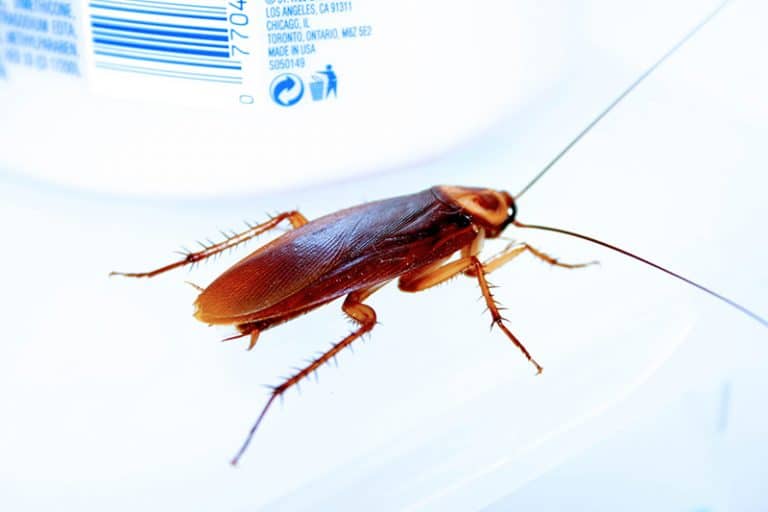
You flip on the kitchen light at 2 a.m. for a glass of water, and there they are, scattering across your countertops like they own the place. If you’ve experienced this stomach-churning moment in your Cheyenne home, you’re not alone. Cockroaches have been unwelcome houseguests for as long as humans have had houses, and they’re particularly fond of two rooms: kitchens and bathrooms.
Here in Wyoming, we might not deal with roaches as frequently as folks in warmer, more humid climates, but that doesn’t mean we’re immune. When cockroaches do show up, they bring a host of problems, contaminated food, unpleasant odors, and potential health risks. The good news? With the right approach, getting rid of cockroaches in Cheyenne kitchens and bathrooms is absolutely achievable. We’re going to walk you through everything you need to know, from understanding why these pests target specific rooms to recognizing the signs of an infestation and taking effective action.
Why Cockroaches Target Kitchens and Bathrooms
Cockroaches aren’t random in their behavior. They’re survival machines, and they’ve evolved to seek out three essential resources: food, water, and shelter. Kitchens and bathrooms happen to offer all three in abundance.
In the kitchen, roaches find a buffet of opportunities. Crumbs under the toaster, grease residue behind the stove, forgotten spills in the back of cabinets, it’s all fair game. They’ll eat almost anything organic, including cardboard, book bindings, and even the glue on wallpaper. Your kitchen provides consistent access to these food sources, often in dark, undisturbed areas where they can feed without interruption.
Bathrooms, on the other hand, are primarily about water. Cockroaches can survive weeks without food, but they need water far more frequently. Leaky pipes under the sink, condensation around toilets, and standing water in shower corners create ideal conditions. The humid environment that builds up after hot showers? That’s basically a spa day for roaches.
Both rooms also offer plenty of hiding spots. The gaps behind appliances, the space under bathroom vanities, cracks around pipes where they enter walls, these tight, dark spaces are perfect for roaches to hide during the day and breed without detection. And because cockroaches can squeeze through gaps as thin as a quarter-inch, even well-maintained homes aren’t automatically safe.
Common Cockroach Species in Cheyenne Homes
Not all cockroaches are created equal, and knowing which species you’re dealing with can help you tackle the problem more effectively. In Cheyenne, we typically encounter a few common types.
German Cockroaches are the most frequent indoor invaders. They’re smaller (about half an inch to five-eighths of an inch long), light brown, and have two dark stripes running down their backs. German roaches reproduce incredibly fast, a single female can produce hundreds of offspring in her lifetime. They strongly prefer kitchens and bathrooms, making them the likely culprit if you’re finding roaches in these areas.
American Cockroaches are the big ones, up to two inches long with reddish-brown bodies. They’re sometimes called “water bugs” or “palmetto bugs,” though those names aren’t technically accurate. American roaches prefer damp, dark areas like basements and crawl spaces but will venture into bathrooms and kitchens seeking water.
Oriental Cockroaches are shiny, almost black, and about an inch long. They’re often found in cool, damp locations like drains, basements, and under sinks. Their strong, musty odor is often a giveaway.
While Cheyenne’s dry, high-altitude climate makes it less hospitable for roaches than coastal or southern regions, our homes provide everything these pests need to thrive once they get inside. Central heating during our cold winters keeps indoor temperatures comfortable for them year-round.
Signs of a Cockroach Infestation
Catching a cockroach problem early makes elimination much easier. The trouble is, roaches are nocturnal and excellent at hiding, so you might have an infestation without ever seeing a live bug.
Here’s what to look for:
Droppings: Cockroach feces resemble coffee grounds or black pepper and are often found in cabinets, drawers, behind appliances, and along baseboards. Larger species leave cylindrical droppings with ridges. Finding droppings is one of the clearest signs you’ve got a problem.
Egg casings (oothecae): These are small, brown, pill-shaped capsules that contain multiple eggs. You might find them in hidden areas like behind refrigerators, inside pantry corners, or under bathroom sinks. Even empty casings indicate roach activity.
Musty odor: A significant infestation produces a distinctive, unpleasant smell. If your kitchen or bathroom has a persistent musty or oily odor that you can’t trace to another source, roaches could be the cause.
Smear marks: In areas with high moisture, cockroaches leave irregular brown smears on surfaces as they crawl.
Live or dead roaches: Seeing roaches during the day usually indicates a heavy infestation, as overcrowding forces some out of hiding. Finding dead ones in corners or under appliances is equally telling.
Shed skins: Roaches molt several times as they mature, leaving behind light-brown, shell-like skins.
If you’re seeing multiple signs, especially during daylight hours, the infestation has likely been developing for some time. Cockroaches are good at hiding, reproduce quickly, and can turn into a property-wide problem faster than most people realize.
Effective DIY Methods for Eliminating Cockroaches
Once you’ve confirmed you’re dealing with cockroaches, it’s time to fight back. A combination of methods typically works better than relying on a single approach.
Bait stations and gel baits are among the most effective DIY tools. Roaches consume the bait, return to their hiding spots, and die, often spreading the poison to others through contact or when other roaches feed on their carcasses. Place baits in areas where you’ve noticed activity: under sinks, behind appliances, and inside cabinets.
Boric acid is a tried-and-true roach killer. Lightly dust it in cracks, behind appliances, and under sinks. When roaches walk through it, the powder clings to their bodies and is ingested during grooming. Important note: keep boric acid away from areas where children or pets can access it.
Diatomaceous earth (food-grade) works mechanically rather than chemically. The fine powder damages the roaches’ exoskeletons, causing them to dehydrate and die. It’s effective but works slowly.
Sticky traps help you monitor the severity of an infestation and identify where roaches are traveling. They won’t eliminate a large population on their own, but they’re useful for tracking progress.
Kitchen-Specific Treatment Tips
Your kitchen requires special attention because food sources are everywhere. Start by doing a deep clean, pull out the stove and refrigerator, clean behind and beneath them, and wipe down all surfaces. Empty and clean cabinets, paying attention to corners and shelf liners where crumbs accumulate.
Store all food in airtight containers, including pet food, cereals, and baking supplies. Don’t leave dishes in the sink overnight, and take garbage out regularly. Fix any leaky faucets or pipes under the sink.
Apply gel bait in strategic locations: behind the stove, under the refrigerator, inside cabinet hinges, and anywhere you’ve seen droppings. Avoid placing bait near where you prepare food directly, the corners and backs of cabinets work well.
Bathroom-Specific Treatment Tips
Bathrooms are all about eliminating moisture. Fix any dripping faucets, address leaky pipes under the vanity, and ensure proper ventilation to reduce humidity. After showers, squeegee the walls or run the exhaust fan to minimize standing water.
Check around the toilet base for moisture or gaps where roaches might enter. Caulk any cracks around pipes where they come through walls or floors. These entry points are prime real estate for cockroaches.
Apply boric acid or gel bait under the vanity, behind the toilet, and in any gaps near plumbing fixtures. Don’t forget to check medicine cabinets and linen closets, roaches will hide anywhere dark and undisturbed.
Preventing Future Cockroach Infestations
Eliminating existing roaches is only half the battle. Keeping them from coming back requires ongoing effort and attention to your home’s vulnerabilities.
Seal entry points: Cockroaches can enter through incredibly small gaps. Inspect the exterior of your home for cracks in the foundation, gaps around windows and doors, and openings where utility pipes enter. Use caulk, weatherstripping, or expanding foam to seal these potential entry points.
Eliminate food sources: We’ve said it before, but it bears repeating, don’t give roaches a reason to stay. Clean up spills immediately, store food properly, keep counters clear of crumbs, and don’t leave pet food out overnight. Take out trash regularly and use bins with tight-fitting lids.
Reduce moisture: Fix all plumbing leaks promptly. Use dehumidifiers in damp areas like basements. Ensure bathrooms have adequate ventilation. Even small drips under sinks can sustain a roach population.
Declutter: Roaches love clutter because it provides hiding spots. Cardboard boxes are particularly attractive since roaches can eat the material and lay eggs in the corrugated layers. Store items in plastic bins instead.
Regular cleaning: Vacuum frequently, especially in corners and along baseboards. Clean behind and under appliances periodically. Don’t let grease build up on stovetops or range hoods.
Monitor continuously: Even after you think you’ve solved the problem, keep a few sticky traps in place to catch any stragglers or new arrivals early.
When to Call a Professional Exterminator
Sometimes, even though your best efforts, a cockroach infestation requires professional intervention. DIY methods have their limits, and there’s no shame in calling for backup.
Consider professional help if:
- You’re seeing roaches during the day (a sign of severe overcrowding)
- The infestation persists after several weeks of DIY treatment
- You’re finding roaches in multiple rooms throughout your home
- You have health concerns, allergies, or asthma that roaches might aggravate
- You’re dealing with a commercial property where regulations apply
Professional exterminators have access to more powerful treatments and can identify entry points and harborage areas you might miss. They can also provide ongoing monitoring and preventive treatments to keep roaches from returning.
At Best Pest Control, we understand how distressing a cockroach problem can be for Cheyenne homeowners. Whether it’s simply bothersome or utterly terrifying, a pest control problem needs to be tackled quickly and thoroughly before it worsens. Our technicians are trained to identify the species you’re dealing with, locate the source of the infestation, and apply targeted treatments that get results.
We offer solutions for families with kids and pets, as well as eco-friendly options for those who prefer alternatives to standard pesticides. Cockroaches can enter your home through even the smallest crack, they’re experts at hiding, and they reproduce quickly, turning into a full infestation even when you’re using over-the-counter sprays and traps. Professional treatment breaks that cycle.
Serving all of Wyoming, Best Pest Control is ready to help when roaches or any other pests have overstayed their welcome. Spiders, ants, termites, bed bugs, rodents, you name it, and we’ll eradicate it.
Conclusion
Getting rid of cockroaches in Cheyenne kitchens and bathrooms isn’t a quick fix, it’s a process that requires understanding the problem, taking targeted action, and maintaining vigilance over time. These pests have survived for millions of years precisely because they’re adaptable and resilient.
But here’s the thing: they’re not invincible. By cutting off their access to food, water, and shelter, you make your home inhospitable. By using effective baits and treatments, you eliminate existing populations. And by sealing entry points and maintaining cleanliness, you prevent future invasions.
If you’re struggling with a stubborn infestation or simply want the peace of mind that comes with professional expertise, don’t hesitate to reach out. Sometimes the smartest DIY move is knowing when to call in the pros. Your kitchen and bathroom should be spaces you enjoy using, not territories you share with unwanted guests.