
Here’s a scenario we see far too often in Cheyenne: A homeowner notices a few itchy bumps one morning, brushes it off as a mosquito bite, and goes about their day. A week later, those bumps have multiplied. Two weeks after that, they’re pulling back their sheets to find rust-colored stains and tiny dark specks dotting the mattress seams.
At Best Pest Control, we’ve watched bed bugs make an unwelcome comeback across Wyoming over the past several years. Increased travel is the main culprit, these persistent pests hitch rides on luggage, clothing, and secondhand furniture, making their way into homes that are otherwise spotless. The frustrating truth? Bed bugs don’t discriminate. They don’t care whether your home is pristine or cluttered, new or decades old.
What we want Cheyenne homeowners to understand is this: catching the early signs of bed bugs can mean the difference between a manageable situation and a full-blown infestation. Because here’s the math that keeps us busy, a single female bed bug can lay up to five eggs per day, and adults can survive up to 300 days. You can see how quickly things escalate. Let’s walk you through exactly what to look for so you can act fast.
Why Cheyenne Homes Are Vulnerable to Bed Bug Infestations
You might think Wyoming’s cold winters would keep bed bugs at bay. Unfortunately, that’s not how it works. Bed bugs are indoor pests, thriving in the same comfortable temperatures we enjoy in our homes year-round. Our Cheyenne winters actually make things worse in some ways, we’re spending more time indoors, hosting guests, and bundling up in layers that bed bugs love to hide in.
But the bigger factor is travel. Cheyenne sits along major interstate corridors, and our community sees a steady flow of visitors, whether for Frontier Days, business travel, or families passing through. Every hotel stay, every rideshare, every visit to a movie theater or restaurant booth creates an opportunity for bed bugs to find a new host.
We’ve treated homes where the infestation traced back to a single piece of secondhand furniture picked up at an estate sale. We’ve seen cases that started after a college student came home for break, unknowingly bringing dormitory stowaways in their laundry bag. And plenty of infestations begin with nothing more than a weekend trip to Denver.
The point isn’t to make you paranoid, it’s to help you understand that bed bug prevention isn’t really about cleanliness or lifestyle. It’s about awareness. Anyone can get bed bugs, and every Cheyenne home is potentially vulnerable. What matters is knowing the signs early enough to stop them before they multiply.
Physical Signs of Bed Bugs on Mattresses and Furniture
When we inspect homes for bed bugs, we always start with the bed itself. It’s their favorite feeding ground, after all, they’re drawn to the carbon dioxide we exhale and our body heat while we sleep. Here’s what to look for during your own inspection.
Rust-colored or reddish-brown stains are often the first visible clue. These fecal stains appear as small dots or smears, typically concentrated along mattress seams, piping, and tags. They might look like someone touched the fabric with a rusty nail or a marker that’s running low on ink. Check the corners of your fitted sheet too, if bed bugs are present, you’ll often find evidence there.
Bloodstains are another telltale sign. These occur when a recently fed bed bug gets crushed during the night. They’re usually small, about the size of a pinhead to a pencil eraser, and appear as reddish spots on sheets, pillowcases, or pajamas.
Shed skins (also called exoskeletons or casings) indicate that bed bugs are actively growing and reproducing in your home. Bed bugs molt five times before reaching adulthood, leaving behind translucent, shell-like remnants. You’ll typically find these in the same areas where the bugs hide, mattress seams, box spring folds, and headboard crevices.
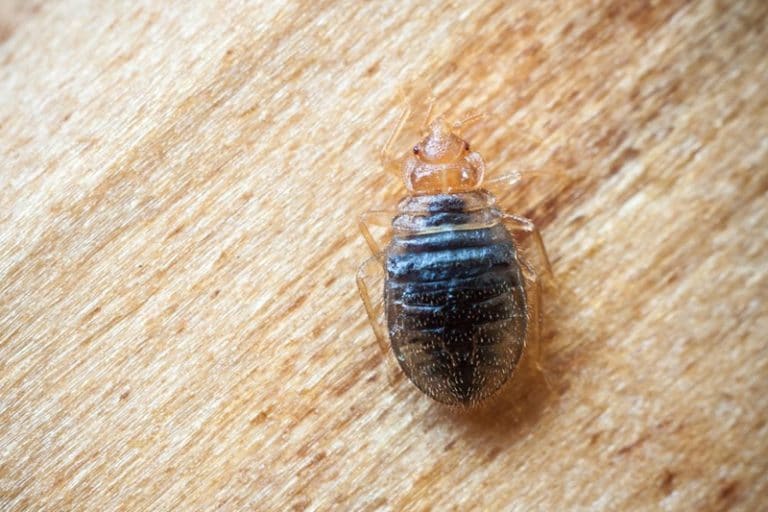
The bugs themselves are visible to the naked eye if you know what you’re looking for. Adults are about the size and shape of an apple seed, flat and oval, with a reddish-brown color. Nymphs (juveniles) are smaller and lighter, sometimes nearly translucent until they’ve fed. Eggs are tiny, about the size of a pinhead, and pearly white.
Don’t limit your inspection to the mattress. Check upholstered furniture, especially pieces where people sit or nap frequently. Your couch, favorite recliner, even dining chair cushions can harbor these pests.
Bite Marks and Skin Reactions to Watch For
Waking up with unexplained bites is often what prompts Cheyenne residents to call us. But here’s where things get tricky, bed bug bites don’t look the same on everyone, and some people don’t react to them at all.
For those who do react, the most common presentation is red, itchy welts that appear in clusters or lines. That linear pattern is actually a helpful identifier. It happens because bed bugs tend to feed multiple times in a row, moving along exposed skin as they go. You might hear this called “breakfast, lunch, and dinner” bites.
The bites typically show up on areas of skin that are exposed during sleep, arms, shoulders, neck, face, and legs are the usual targets. They often take a day or two to appear, which can make it difficult to pinpoint exactly when you were bitten.
Some people develop welts that burn or itch intensely, resembling a rash. Others experience raised, fluid-filled bumps similar to hives. And then there are folks who show no visible reaction whatsoever, even though they’re being bitten regularly. This variability is one reason infestations can go undetected for weeks or months.
A few things to keep in mind:
- Bed bug bites alone aren’t a definitive diagnosis. Mosquitoes, fleas, and even certain skin conditions can produce similar marks.
- If multiple people in your household are waking up with bites, especially in different bedrooms, that’s a stronger indicator of bed bugs.
- Bites that appear after traveling or having overnight guests warrant extra scrutiny.
If you’re noticing bites but can’t find physical evidence of bed bugs, don’t assume you’re in the clear. These pests are excellent at hiding, and a professional inspection can uncover what you might miss.
Unusual Odors and Hidden Evidence
This one surprises a lot of homeowners: bed bugs have a distinct smell. In cases of moderate to heavy infestation, you might notice a musty, sweet odor, some people describe it as smelling like coriander or overripe raspberries. Others say it reminds them of a damp towel that’s been left too long.
The smell comes from pheromones that bed bugs release. If you can detect it without actively searching for it, the infestation has likely progressed beyond the early stages. But even a faint, unexplained mustiness in your bedroom is worth investigating.
Beyond odor, there’s hidden evidence that often gets overlooked:
Dark spots in unexpected places. Those rust-colored fecal stains we mentioned earlier? They don’t just appear on mattresses. Check the wall behind your headboard, inside electrical outlets, along baseboards, and even on the ceiling above your bed. Bed bugs aren’t great climbers on smooth surfaces, but they’ll take any textured route available.
Eggs and egg casings. Bed bug eggs are deposited in cracks and crevices close to feeding areas. They’re sticky when first laid, helping them adhere to surfaces. Look closely at furniture joints, behind picture frames, and in the folds of curtains.
Dead bugs. Where there are live bed bugs, there are usually dead ones too. Check the seams of your mattress, inside your box spring, and along the edges of carpet near the bed.
We always tell our customers: trust your instincts. If something feels off, a smell you can’t place, marks you can’t explain, a general sense that things aren’t right, it’s worth taking a closer look. Early detection is your best defense against a growing infestation.
Where Bed Bugs Hide in Your Home
Understanding where bed bugs hide helps you know where to look, and helps explain why DIY treatments so often fall short. These pests are flat enough to squeeze into cracks the width of a credit card, and they’re remarkably good at staying out of sight.
Common Entry Points
Bed bugs don’t just appear out of nowhere. They arrive in your home through specific pathways:
- Luggage and travel bags. After a trip, bed bugs can hide in seams, pockets, and folds. This is the most common way they enter Cheyenne homes.
- Secondhand furniture and mattresses. That great deal on a used couch could come with unwanted guests. Always inspect pre-owned upholstered items thoroughly before bringing them inside.
- Clothing and personal items. Bed bugs can cling to fabric, riding along in laundry baskets, backpacks, and purses. They can also hitch a ride on your clothing from infested public spaces.
- Guests and visitors. Overnight visitors, or even daytime guests who sit on your furniture, can unknowingly introduce bed bugs to your home.
- Adjacent units. If you live in an apartment, townhouse, or condo, bed bugs can travel through shared walls, electrical conduits, and plumbing chases from neighboring units.
Favorite Hiding Spots
Once inside, bed bugs set up shop close to their food source (that’s you). Their preferred hiding spots include:
- Mattress seams, piping, and tags. The most common location for early-stage infestations.
- Box springs. The fabric on the underside provides excellent cover, especially around staples and in folds.
- Bed frames and headboards. Cracks, joints, and screw holes offer perfect harborage.
- Nightstands and dressers. Particularly drawers and the joints where pieces connect.
- Upholstered furniture. Couches, recliners, and chairs are secondary feeding sites and hiding spots.
- Baseboards and carpet edges. Especially in bedrooms, bed bugs will tuck into any available gap.
- Electrical outlets and switch plates. The void behind these covers provides dark, undisturbed shelter.
- Picture frames and wall decorations. Anything near the bed that offers a crevice.
- Curtains and blinds. Particularly along hems and in the folds of fabric.
The key takeaway? A quick glance at your mattress isn’t enough. Effective bed bug detection requires a systematic inspection of the entire bedroom, and often beyond.
What to Do When You Spot Early Warning Signs
So you’ve found some suspicious evidence. Maybe a few stains, some unexplained bites, or even a bug you can’t quite identify. Here’s what we recommend:
Don’t panic, but don’t wait either. Bed bugs multiply fast, remember, five eggs per day per female, and they can survive nearly a year. A small problem today becomes a major infestation in a matter of weeks. The sooner you act, the easier (and less expensive) treatment will be.
Document what you’ve found. Take photos of any stains, shed skins, or bugs you discover. Note the locations. This information helps pest control professionals assess the situation and develop an effective treatment plan.
Avoid DIY remedies that can make things worse. We know it’s tempting to grab a can of bug spray and start treating the problem yourself. But most over-the-counter products don’t work on bed bugs, and they can actually scatter the population, spreading the infestation to other rooms. Some people try to solve the problem by sleeping elsewhere in the house, but this just encourages bed bugs to follow, making treatment more complicated.
Don’t throw away your mattress (yet). In many cases, mattresses can be treated and saved. Discarding infested items without proper preparation can spread bed bugs through your home and even to your neighbors.
Call a professional. Bed bug infestations require specialized treatment. At Best Pest Control, we use Cryonite® treatment, a non-toxic method that freezes bed bugs on contact using carbon dioxide snow. It’s safe for your family, effective against all life stages of bed bugs, and doesn’t leave chemical residues.
Prepare for treatment. Your pest control provider will give you specific instructions, but generally you’ll need to wash and dry all bedding and clothing on high heat, reduce clutter, and vacuum thoroughly. Proper preparation dramatically improves treatment success.
The most important thing is to take action. Hoping the problem goes away on its own isn’t a strategy, it’s a guarantee that things will get worse.
Conclusion
Catching bed bugs early is genuinely one of those situations where a little vigilance pays off enormously. We’ve treated homes where the infestation was caught within days, a quick, straightforward process. And we’ve treated homes where weeks or months of denial turned a minor issue into a major ordeal requiring multiple treatments.
Know the signs: rust-colored stains on your bedding, unexplained bites that appear in lines or clusters, shed skins in mattress seams, and that subtle musty odor. Check your mattress regularly, especially after travel or hosting guests. Inspect secondhand furniture before bringing it into your home.
And if you spot something suspicious, don’t wait. Bed bugs won’t resolve themselves, and every day you delay gives them time to multiply.
We’ve been battling these pests across Cheyenne and throughout Wyoming for years, and we know how to get rid of them for good. If you’re waking up with bites, finding strange stains on your sheets, or just have a gut feeling that something’s not right, contact Best Pest Control. We’ll inspect your home, confirm whether bed bugs are present, and develop a treatment plan that works. Your sleep is too important to lose to uninvited guests.