
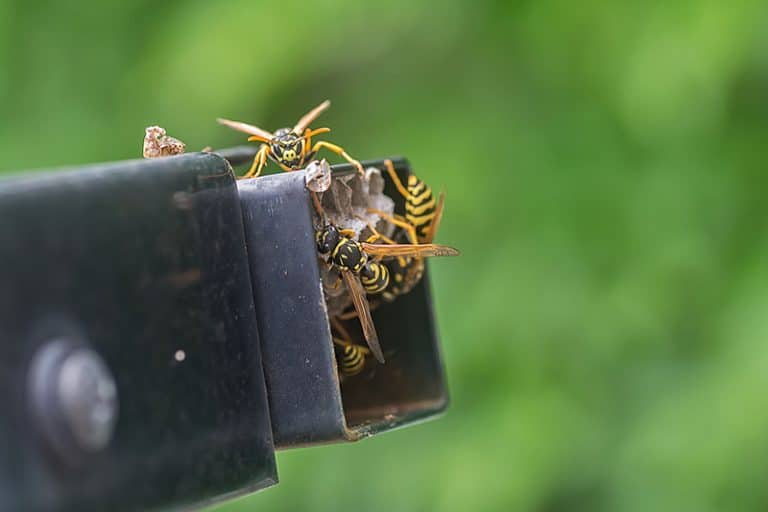
Summer wasp nest removal and safety for Cheyenne backyards matters more than most people think. Our warm days, dry air, and windy afternoons can turn a small paper-wasp nest into a backyard hazard in no time. As local techs with Best Pest Control Cheyenne, we’ve helped families and businesses across Wyoming handle wasps quickly and safely, with options that fit homes with kids and pets. Here’s how we evaluate nests, when DIY can work, and when to call us so everyone stays sting-free this summer.
Know Your Cheyenne Wasps
Common Species And Nest Types
Cheyenne backyards see a mix of social wasps:
- Western yellowjackets: Often nest in the ground or wall voids. Highly defensive around food like grills and trash cans.
- Bald-faced hornets: Bigger, black-and-white cousins of yellowjackets. Build large, gray, football-shaped paper nests in trees or eaves.
- European and golden paper wasps: Long-legged, more slender. Their open, umbrella-style nests hang from soffits, playsets, and fence posts.
Nest type matters. Open paper-wasp combs are easier to treat early. Fully enclosed hornet nests and underground yellowjacket colonies require more planning and protective gear.
Seasonal Behavior And Peak Activity
Colonies ramp up from late June through August. By midsummer, foragers hunt protein for larvae and sweets for themselves, which is why picnics and trash day get busy. As summer wanes and natural food declines, wasps get bolder around humans, and sting risk goes up.
When A Nest Can Be Left Alone
If a small paper-wasp nest sits high, away from doors, decks, and play areas, and isn’t bothering anyone, it may be safe to leave it. Wasps help control flies, caterpillars, and other pests. But if you have known allergies, curious pets, frequent yard gatherings, or a nest near entrances, don’t wait. Give us a call and we’ll advise on the safest move.
Risk Assessment And Legal Considerations
Safety Around Children, Pets, And Neighbors
Do a quick safety scan before anyone attempts removal:
- Location: Is the nest near doors, trash cans, grills, AC units, mailboxes, or play equipment?
- Traffic: Do kids cut across that part of the yard? Do pets sun themselves there?
- Medical risk: Any history of severe sting reactions in the home or among close neighbors?
- Access: Will ladder work be required? Is the ground uneven or windy today?
Set a perimeter and keep people and pets inside during any treatment. Let nearby neighbors know if a large nest could send foragers their way.
Situations Requiring Professional Help
Call in a pro like Best Pest Control Cheyenne if you notice any of the following:
- Large, concealed, or high nests, especially inside walls, soffits, or roof lines
- Multiple nests in one area or ongoing stings on the property
- Underground yellowjacket activity near walkways or sprinklers
- Anyone with a known allergy, or a prior bad reaction to stings
- Commercial settings where liability and public access are concerns
We inspect, identify the species, and choose a method that solves the problem while protecting people and non-target insects.
Cheyenne Weather And Site Factors
Cheyenne’s dry climate, frequent wind, and quick temperature swings affect wasp behavior. Foragers are calmer during cool, still periods around dawn and dusk. Hot, windy afternoons can push them into defensive mode. Plan work for the coolest, calmest window you can find. If conditions are gusty or a storm is incoming, postpone. Our team schedules treatments around weather to keep everyone safe and improve results.
DIY Removal: Step-By-Step For Small, Accessible Nests
Before you try anything, confirm the nest is small, easy to reach, and far from people and pets. If there’s any doubt, we’re happy to take a look first.
Tools And Protective Gear
- Long sleeves, long pants, closed-toe shoes
- Thick gloves and eye protection
- A bee veil or hood if available
- Flashlight with red filter or low setting for dusk/dawn
- Species-labeled wasp/yellowjacket aerosol with a focused stream
- Garbage bag, scraper or putty knife, and duct tape for sealing holes
Best Timing And Approach
- Choose dusk or dawn when temps are cooler and most wasps are in the nest.
- Keep a clear retreat path. Don’t use ladders alone.
- Stand as far back as the product allows. Aim at the nest entrance first.
A quick note: Some nests appear quiet in the evening, but foragers return later. Give it time between treatments.
Treatment Methods That Work In Cheyenne
- Paper wasps: Direct a quick, sustained stream into the open comb from a safe distance, then lightly coat the nest base. Avoid overspray that can drift in wind.
- Bald-faced hornets: These enclosed nests can surge with defenders. We recommend professional treatment due to size and aggression.
- Yellowjackets: If you can clearly see a single ground entrance, a targeted application at the opening can work. If there are multiple openings or activity near the house, call us.
We also offer lower-odor and low-impact options when appropriate, and we can set up an ongoing plan to keep new colonies from getting established around eaves and patios.
Disposal And Cleanup
- Wait 24 hours and confirm zero activity. No buzzing. No traffic.
- Gently remove the nest with a scraper. Bag it and seal the bag.
- For wall or soffit gaps, seal openings with caulk or screen so a new queen doesn’t move in.
- Rinse surfaces lightly if needed. Keep pets away from the area for the rest of the day.
If anything feels risky at any point, stop and reach out to Best Pest Control Cheyenne. Your safety comes first.
What Not To Do In A Cheyenne Backyard
Avoid Fire, Flooding, And Homemade Concoctions
- No torches, gasoline, or fire. You’ll only scatter angry wasps and create a serious hazard.
- Skip flooding holes with a hose. Underground colonies usually have multiple exits.
- Avoid homemade mixes that can drift, stain, or fail. Missed treatments make colonies more defensive.
Protect Pollinators And Avoid Non-Target Harm
- Confirm you’re not dealing with honey bees. If you see golden-brown, fuzzy insects with full pollen baskets, call a local beekeeper or call us for a referral.
- Use targeted products rather than broad-spectrum sprays. Treat at low-activity times to reduce contact with beneficial insects.
- Keep sprays off flowers and bird baths, and remove attractants so pollinators don’t linger near treatment zones.
Post-Removal Care And Prevention
Repair, Seal, And Exclude
- Cap and screen attic vents.
- Repair torn screens and gaps at soffits, siding, and fascia.
- Fill old carpenter bee holes so paper wasps don’t reuse them.
Yard Habits That Deter Wasps
- Keep trash cans sealed and rinse recycling.
- Clean grills and outdoor dining areas after use.
- Reduce clutter where queens can anchor a new comb, like under playsets, pergolas, and unused patio furniture.
- Water pet bowls away from seating areas.
Plants, Traps, And Ongoing Monitoring
- Place wasp traps on the far edges of the yard, not next to the deck.
- Avoid sugary attractants near doors and tables during peak summer.
- Do a quick weekly scan of eaves and shed rafters. Early detection is everything.
If you want a hands-off plan, we can set seasonal visits to knock down starter nests and apply preventative treatments. That’s a simple way to keep summer wasp nest removal and safety for Cheyenne backyards on autopilot.
Stings, Allergies, And First Aid
Immediate Steps And Emergency Warning Signs
- Move to a safe area.
- Wash the sting with soap and water.
- Apply a cold pack 10 minutes on, 10 minutes off.
- Consider an oral antihistamine for itching or swelling.
Call 911 or seek urgent care for any of these:
- Trouble breathing or swallowing
- Swelling of the tongue, lips, or face
- Dizziness, fainting, or hives spreading quickly
- Multiple stings, especially on children or older adults
Keep an epinephrine auto-injector on hand if you’ve had past reactions, and tell family members where it’s stored.
Care For Pets And Outdoor Workers
- For pets: Remove the stinger if present, use a cold compress, and watch for facial swelling or vomiting. Call your vet if symptoms escalate.
- For workers: Stock first-aid kits with antihistamines, ice packs, and an EpiPen if prescribed. Build a simple communication plan, especially on multi-level or ladder jobs.
Conclusion
Summer wasp nest removal and safety for Cheyenne backyards comes down to smart timing, the right gear, and a plan that respects our weather and protects people and pollinators. If you’re staring at a nest near the deck or a yellowjacket hole by the walkway, don’t wait for it to get bigger. We’re local, we answer the phone, and we stand behind our work. Contact Best Pest Control Cheyenne for a quick inspection and a solution that fits your home or business. We’re ready to help you enjoy your yard again.
