
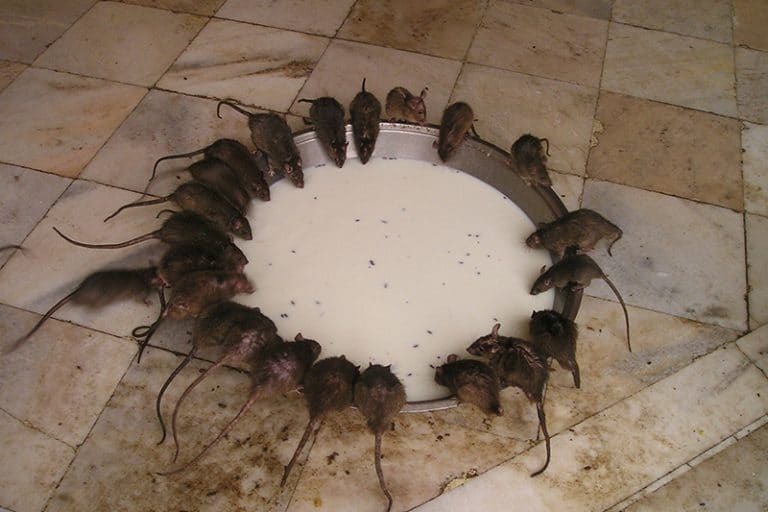
Nobody wants to think about rodents setting up shop in their home or business. But here in Cheyenne, mice and rats are a reality we deal with year-round, and they’re particularly eager to move indoors when Wyoming’s harsh winters hit. The problem is, these critters are sneaky. They’re mostly active at night, they’re experts at staying hidden, and by the time you actually see one scurrying across your kitchen floor, there’s a good chance you’ve got a full-blown infestation on your hands.
At Best Pest Control Cheyenne, we’ve helped countless homeowners and business owners tackle rodent problems before they spiral out of control. The key is knowing what to look for. Mice and rats leave behind telltale signs of their presence, and catching these early can save you from serious property damage, contaminated food, and potential health risks. Let’s walk through the five most common warning signs that you might have a mouse or rat infestation in your Cheyenne property.
Key Takeaways
- Rodent droppings, urine stains, and a strong ammonia smell are the most obvious signs of a mouse or rat infestation in your Cheyenne home.
- Gnaw marks on wiring, baseboards, and food packaging indicate active rodent activity and pose serious fire hazards.
- Scratching, scurrying, and squeaking noises in walls or ceilings at night suggest rodents have established pathways in your property.
- Cheyenne’s harsh winters drive mice and rats indoors, making heated homes especially vulnerable to infestations.
- Act quickly by sealing entry points, removing food sources, and calling a professional if you spot multiple warning signs of a rodent infestation.
Rodent Droppings and Urine Stains
This is usually the first and most obvious sign that rodents have moved in. If you’re finding small, dark pellets in your kitchen cabinets, along baseboards, under sinks, or near food storage areas, you’re looking at rodent droppings. And yes, it’s as gross as it sounds.
Fresh droppings are dark, moist, and have a slight sheen to them. Older droppings dry out and become brittle, sometimes turning grayish. The quantity matters too. Finding a few droppings here and there might indicate a new visitor, but discovering piles of them suggests a well-established population.
Urine is another telltale sign, though it’s harder to spot visually. What you’ll likely notice first is the smell. Rodent urine has a strong, musky ammonia odor that becomes more pungent as the infestation grows. Rat urine tends to be particularly strong. In some cases, you might see yellowish stains on surfaces where rodents frequently travel.
Identifying Mouse vs. Rat Droppings
Knowing whether you’re dealing with mice or rats helps determine the right approach to elimination. Here’s how to tell the difference:
Mouse droppings:
- Small, about 1/8 to 1/4 inch long
- Pointed at both ends, resembling dark grains of rice
- Smooth texture
- You’ll find a lot of them. Mice can produce 50-75 droppings per day
Rat droppings:
- Larger, about 1/2 to 3/4 inch long
- Blunt, rounded ends (Norway rats) or pointed ends (roof rats)
- Bean-like shape
- Fewer in number but much more noticeable due to size
One thing to keep in mind: don’t handle droppings with bare hands. Rodent waste can carry diseases like hantavirus, salmonella, and leptospirosis. If you’re cleaning up droppings, wear gloves and a mask, and disinfect the area thoroughly.
Gnaw Marks and Property Damage
Rodents have teeth that never stop growing. To keep them filed down, they gnaw constantly, and they’re not picky about what they chew on. This is where things can get expensive and even dangerous.
Mice tend to leave small, scratchy gnaw marks on softer materials like cardboard, wood, plastic food containers, and insulation. The marks are usually about 1/16 inch wide and may look like tiny parallel scratches.
Rats are a different story. Their teeth are stronger and larger, so they can chew through harder materials including thick plastic, soft metals like aluminum, and even concrete in some cases. Rat gnaw marks are rougher and larger, typically 1/8 inch or more.
Common places to check for gnaw damage include:
- Baseboards and door frames
- Cabinet corners and drawer backs
- Food packaging in your pantry
- Cardboard boxes in storage areas
- Wiring and cables (this is a serious fire hazard)
- Pipes and plumbing
The electrical wire chewing is particularly concerning. Exposed wires from rodent damage have been linked to house fires. If you notice any gnawed wiring, it’s worth having an electrician take a look along with addressing the rodent problem itself.
Strange Noises in Walls and Ceilings
Hearing things that go bump in the night? You might not be imagining it. Mice and rats are nocturnal, which means they do most of their moving around after dark while you’re trying to sleep.
The sounds vary depending on what the rodents are up to:
- Scratching and scurrying from inside walls as they travel through their pathways
- Squeaking when rodents communicate with each other
- Gnawing sounds as they chew through materials
- Soft thumping when larger rats move around in attic spaces
These noises are most common in walls, ceilings, and attics. If your home has a basement or crawl space, you might hear activity there too. The sounds tend to pick up right after sunset and in the early morning hours.
Here’s a tip: if you hear these noises consistently in the same locations, that’s likely where rodents have established their main pathways or nesting areas. This information is helpful when it comes time to set traps or have a professional inspection done.
Some homeowners dismiss these sounds as “just the house settling” or attribute them to wind. But if you’re hearing scratching or scurrying regularly, especially at night, it’s worth investigating further.
Nesting Materials and Hidden Nests
Rodents are homebodies at heart. Once they find a safe spot in your property, they’ll build a nest and settle in for the long haul. These nests are constructed from whatever soft materials they can find and shred.
Common nesting materials include:
- Shredded paper, newspaper, and cardboard
- Fabric scraps from clothing, towels, or upholstery
- Insulation pulled from walls or attics
- Cotton batting and stuffing
- Dried plant material
- Fur and feathers (used as lining)
A typical rodent nest is roughly 5-6 inches in diameter, rounded, and loosely constructed. You’ll often find droppings nearby, along with food debris and gnaw marks. The nest itself might look like a messy ball of fibrous material tucked into a hidden corner.
Common Nesting Locations in Cheyenne Homes
In our experience serving Cheyenne and the surrounding Wyoming area, we’ve found rodent nests in all kinds of places. Some of the most common spots include:
- Inside wall cavities, especially near heat sources
- Behind refrigerators and stoves
- Under kitchen and bathroom sinks
- In attic insulation (a favorite for mice)
- Inside storage boxes, particularly cardboard
- Behind water heaters
- In garage clutter and stored items
- Under decks and porches
Cheyenne’s cold winters make indoor spaces especially attractive to rodents seeking warmth. They’ll often nest near heat sources like furnaces, water heaters, and even the back of your refrigerator where the motor generates warmth. If you’re finding shredded materials in these areas, you’ve likely found evidence of nesting activity.
Grease Marks and Runways Along Walls
This sign is easy to miss if you don’t know what you’re looking for. Rodents have oily fur, and as they travel the same paths repeatedly, they leave behind greasy smudges and rub marks on surfaces they brush against.
These grease marks, sometimes called “sebum trails,” typically appear along:
- Baseboards
- Wall corners
- Entry points like holes and gaps
- Pipes and beams they use for climbing
- The edges of frequently used pathways
The marks look like dark, dirty smears, and they accumulate over time as more rodents use the same route. Rats leave more noticeable grease marks than mice simply because they’re larger and have more body oil.
Another way to detect runways is to look for tracks. In dusty areas like attics, basements, or garages, you might see small footprints and tail drag marks. If you suspect rodent activity but can’t find obvious tracks, try sprinkling a light layer of flour or baby powder along suspected pathways. Check it the next morning for prints.
Runways are useful for pest control purposes because they tell us exactly where rodents are traveling. This makes trap placement much more effective.
Why Cheyenne Homes Are Vulnerable to Rodent Infestations
Living in Cheyenne comes with plenty of perks, but our climate and housing stock create some unique challenges when it comes to rodents.
First, there’s the weather. Wyoming winters are no joke. When temperatures drop and stay below freezing for extended periods, mice and rats are highly motivated to find shelter indoors. Your heated home looks like a five-star hotel to a rodent shivering outside.
Second, many Cheyenne homes, especially in established neighborhoods, are older constructions with natural gaps and entry points. Foundations settle over time, creating cracks. Older windows and doors may not seal as tightly as they once did. Utility lines entering the house can create small openings. A mouse can squeeze through a gap the size of a dime, and a rat only needs a hole about the size of a quarter.
Common entry points we see in Cheyenne properties include:
- Gaps around pipe and wire entry points
- Cracks in foundations
- Spaces under doors (especially garage doors)
- Damaged or missing vent covers
- Gaps where siding meets the foundation
- Openings around HVAC systems
Rural and semi-rural properties around Cheyenne face additional pressure from field mice seeking shelter as agricultural activity winds down in fall and winter. If you live on the outskirts of town or near open land, staying vigilant is especially important.
What to Do if You Spot These Warning Signs
So you’ve noticed one or more of these signs. What now?
First, don’t panic, but don’t ignore it either. Rodent populations can grow quickly. A single pair of mice can produce dozens of offspring in just a few months. The sooner you act, the easier the problem is to solve.
Immediate steps you can take:
- Remove food sources. Store all food in sealed glass or metal containers. Don’t leave pet food out overnight. Keep garbage in tightly closed bins.
- Eliminate water access. Fix leaky pipes and faucets. Don’t leave standing water in sinks or pet bowls overnight.
- Reduce clutter. Rodents love hiding spots. Clear out cardboard boxes, newspaper piles, and other clutter, especially in storage areas.
- Seal entry points. Use steel wool and caulk to close gaps around pipes and wires. Install door sweeps on exterior doors. Cover vents with hardware cloth.
- Set traps strategically. Snap traps are effective when placed along walls and runways where you’ve noticed activity. Bait with peanut butter, chocolate, or nesting materials like cotton balls.
When to call a professional:
DIY methods work for minor problems, but there are situations where professional help is the smart choice:
- You’re seeing multiple signs of infestation
- The problem persists even though your efforts
- You’re finding droppings in large quantities
- There’s evidence of rats (they’re harder to eliminate than mice)
- You can’t locate the entry points or nesting areas
- You’re concerned about health risks
Best Pest Control Cheyenne has been helping local homeowners and businesses tackle rodent problems for years. We know where to look, how to identify the scope of the problem, and how to eliminate it completely.
Conclusion
A mouse or rat infestation isn’t just an inconvenience. Rodents can cause real damage to your property, contaminate food, chew through wiring, and create health hazards for your family or employees. The good news is that catching the problem early makes a huge difference.
If you’ve noticed droppings, gnaw marks, strange noises at night, nesting materials, or greasy rub marks along your walls, don’t wait to take action. These signs indicate that rodents have already made themselves at home, and the longer you wait, the harder (and more expensive) the problem becomes to solve.
Whether it’s simply bothersome or downright alarming, a rodent problem needs to be tackled quickly and thoroughly before it gets worse. Best Pest Control Cheyenne is ready to help. We serve all of Wyoming and have the experience and tools to eradicate rodent infestations and help prevent them from returning.
Give us a call today to schedule an inspection. We’ll assess the situation, identify entry points, and put together a plan to get your home or business rodent-free. Don’t let mice or rats take over. Contact Best Pest Control Cheyenne and take back your property.
Frequently Asked Questions
What are the most common signs of a mouse or rat infestation?
The five most common signs include rodent droppings and urine stains, gnaw marks on materials and wiring, scratching or scurrying noises in walls at night, shredded nesting materials in hidden areas, and greasy rub marks along baseboards and walls where rodents travel repeatedly.
How can I tell the difference between mouse droppings and rat droppings?
Mouse droppings are small (1/8 to 1/4 inch), pointed at both ends, and resemble dark grains of rice. Rat droppings are larger (1/2 to 3/4 inch), have blunt or rounded ends, and are bean-shaped. Mice produce 50-75 droppings daily, while rat droppings are fewer but more noticeable.
Why are Cheyenne homes particularly vulnerable to rodent infestations?
Cheyenne’s harsh Wyoming winters motivate mice and rats to seek warm indoor shelter. Many local homes, especially older ones, have natural gaps in foundations, around pipes, and near utility lines. A mouse can squeeze through a dime-sized gap, making even small openings problematic.
Are rodent infestations dangerous to my health?
Yes, rodent infestations pose serious health risks. Mice and rats can transmit diseases like hantavirus, salmonella, and leptospirosis through their droppings and urine. They also contaminate food supplies and can trigger allergies. Always wear gloves and a mask when cleaning rodent waste.
What should I do if I find signs of rodents in my home?
Act quickly by storing food in sealed containers, fixing water leaks, reducing clutter, and sealing entry points with steel wool and caulk. Set snap traps along walls where you’ve noticed activity. If the problem persists or you find large quantities of droppings, contact a professional pest control service.
When is the best time of year to prevent rodent infestations in Wyoming?
Fall is the critical prevention window in Wyoming. As temperatures drop and agricultural activity slows, mice and rats actively seek indoor shelter. Inspect your home for entry points before winter, seal gaps around pipes and doors, and remove outdoor food sources to discourage rodents from moving in.