
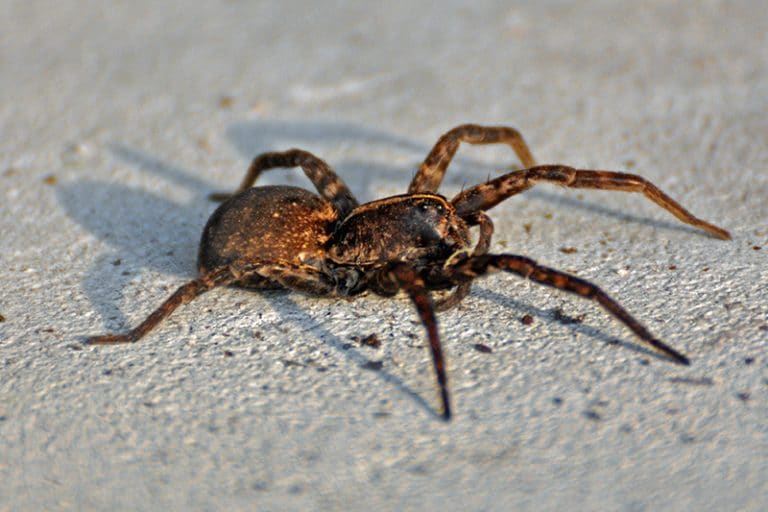
You head downstairs to grab something from storage, flip on the light, and there it is: another spider scurrying across the concrete floor. If you’re a Cheyenne homeowner, this probably isn’t the first time. And it won’t be the last, unless you understand what’s actually drawing these eight-legged visitors into your basement in the first place.
At Best Pest Control Cheyenne, we’ve spent years helping Wyoming homeowners figure out why spiders seem to love their basements so much. The truth is, spiders aren’t showing up randomly. Your basement is offering them exactly what they need to thrive. Let’s break down what’s going on and what you can do about it.
Key Takeaways
- Spiders in your Cheyenne basement are attracted by moisture, prey insects, and easy entry points—not random chance.
- High humidity keeps spiders hydrated and draws in the bugs they feed on, making damp basements ideal spider habitats.
- Common basement spiders in Cheyenne include wolf spiders, cellar spiders, and potentially dangerous black widows.
- Seasonal spider activity peaks in fall when spiders seek shelter to overwinter in protected spaces like basements.
- Reduce spider populations by using a dehumidifier, sealing foundation cracks, and eliminating clutter that provides hiding spots.
- Call a pest control professional if you spot black widows or experience persistent infestations despite DIY prevention efforts.
What Attracts Spiders to Cheyenne Basements
Spiders don’t just wander into your basement by accident. They’re following specific environmental cues that signal “this is a good place to live.” Understanding these attractants is the first step toward making your basement a lot less welcoming.
Moisture and Humidity Problems
Cheyenne basements have a moisture problem, and spiders know it. Groundwater seepage, condensation on cool walls, and poor ventilation all contribute to elevated humidity levels below grade. While we might find a damp basement uncomfortable, spiders see it differently.
High humidity does two things that benefit spiders. First, it keeps them from drying out. Spiders don’t have the same protective coating that some insects do, so they actually need some moisture in their environment to survive. Second, and maybe more importantly, humid basements attract the insects that spiders eat.
Think about it this way: where there’s moisture, there are bugs. And where there are bugs, spiders will follow. Your damp basement is essentially setting the table for a spider buffet.
Prey Insects and Food Sources
Spiders are predators. They go where the food is. If your basement has a healthy population of flies, gnats, ants, silverfish, or other small insects, you’ve created the perfect hunting ground.
These prey insects are often drawn in by that same moisture we mentioned, but also by organic debris, cardboard boxes, and any food storage you might have downstairs. Once these insects establish themselves, spiders move in to take advantage of the easy meals.
We see this pattern constantly in Cheyenne homes. A homeowner will call about a spider problem, and during our inspection we’ll discover an underlying insect issue they didn’t even know about. Address the prey insects, and you’re halfway to solving your spider problem.
Common Spider Species in Cheyenne Homes
Not all spiders are created equal, and knowing what you’re dealing with can help you understand the severity of your situation. Here are the species we encounter most often in Cheyenne basements:
Wolf Spiders are probably the ones making you jump. These are the large, hairy spiders that sprint across your floor when disturbed. They don’t build webs but instead hunt actively, which is why you’ll often spot them on the move. While they look intimidating and can grow to a decent size, wolf spiders are generally harmless to humans. They’re just startling.
Cellar Spiders are those delicate, long-legged spiders you see hanging out in the corners of your basement. Some people call them daddy longlegs (though that name technically belongs to a different creature). They build messy, irregular webs and are completely harmless. But they do multiply quickly, and their webs can make your basement look neglected.
Hobo Spiders create funnel-shaped webs, usually in corners or along the base of walls. They’re brown, medium-sized, and more reclusive than wolf spiders. You might not see the spider itself, but you’ll notice their distinctive funnel webs if they’ve taken up residence.
Cobweb Spiders are among the most common household spiders in Wyoming. They’re small, usually brownish, and build the classic tangled webs you’re probably used to brushing away. Like cellar spiders, they’re harmless but can create an unsightly mess if left unchecked.
Black Widows are the ones we worry about. While most spiders in your basement are just a nuisance, black widows are genuinely dangerous. They’re shiny black with that telltale red hourglass marking on their abdomen. They prefer dark, undisturbed areas, which makes basements, crawl spaces, and wood piles prime real estate. If you see a black widow, don’t try to handle it yourself.
Seasonal Patterns and Spider Activity in Wyoming
If it seems like you’re seeing more spiders at certain times of year, you’re not imagining it. Spider activity in Cheyenne follows predictable seasonal patterns that align with both temperature changes and insect availability.
During spring and summer, spiders are most active. Warmer temperatures mean more insects, which means more food. This is when spiders are breeding, building webs, and generally making their presence known. You might see more spiders in your basement during these months simply because there are more spiders around, period.
But here’s where it gets interesting for basement dwellers. As fall arrives and temperatures start dropping, spiders begin seeking shelter. They’re not looking for warmth exactly. They’re cold-blooded and can survive freezing temperatures by going dormant. But they are looking for protected spaces where they can overwinter safely.
Your basement, with its stable temperatures and ready food supply, looks pretty attractive to a spider preparing for winter. This is why many homeowners notice an uptick in basement spider sightings during September and October. The spiders moving in now will likely stick around through the winter months.
By December and January, those spiders aren’t going anywhere. They’ve settled in, possibly laid eggs, and are waiting out the cold. Come spring, you might suddenly have a lot more spiders than you bargained for if you don’t address the problem.
Entry Points Spiders Use to Access Your Basement
Spiders are remarkably good at finding their way indoors. They don’t need much, just a gap wide enough to squeeze through. And given their flexible bodies, that’s not a very high bar.
Here are the most common entry points we find when inspecting Cheyenne basements:
- Foundation cracks: Even small cracks in your concrete foundation can serve as highways for spiders. As houses settle over time, these cracks tend to develop and widen.
- Gaps around pipes and utilities: Anywhere a pipe, cable, or wire enters your home is a potential entry point. These penetrations often have small gaps that are invisible from inside but obvious from the spider’s perspective.
- Window wells and basement windows: Older basement windows are notorious for poor seals. Window wells can also collect debris and moisture, creating staging areas for spiders before they move indoors.
- Door frames and thresholds: If you have an exterior door leading to your basement, check the weatherstripping. Worn or missing weatherstripping creates easy access.
- Dryer vents and exhaust fans: These vents often have covers that don’t close properly, or the covers have been damaged over time.
- Where the sill plate meets the foundation: This junction point at the top of your foundation wall is a common weak spot in many homes.
The thing about spiders is that if there’s a way in, they’ll find it. A thorough inspection of your basement’s exterior can reveal entry points you never knew existed.
How to Make Your Basement Less Appealing to Spiders
You can’t eliminate every spider from your property, and honestly, you probably wouldn’t want to. Spiders do eat a lot of pest insects. But you can make your basement a much less attractive place for them to set up shop.
Reducing Moisture Levels
Since moisture is one of the biggest draws for spiders (and their prey), tackling humidity should be your first priority.
Start with a dehumidifier. A good basement dehumidifier can dramatically reduce humidity levels and make the environment less hospitable to both insects and spiders. Aim for humidity levels below 50%.
Check your gutters and downspouts. If water is pooling near your foundation, it’s likely seeping into your basement. Extend downspouts to direct water at least six feet away from your home.
Fix any leaks promptly. A dripping pipe or seeping crack might seem minor, but it’s creating exactly the conditions spiders love. Even condensation on cold water pipes can contribute to the problem.
Improve ventilation if possible. Basement air tends to be stagnant, which allows moisture to accumulate. Even a small fan can help keep air moving.
Sealing Cracks and Gaps
Once you’ve addressed moisture, it’s time to close the door on new spider arrivals.
Inspect your foundation carefully and seal any cracks with appropriate caulk or hydraulic cement for larger gaps. Pay special attention to corners and where the floor meets the walls.
Use expanding foam or caulk around pipe penetrations, electrical conduits, and cable entries. Don’t forget to check where HVAC ducts pass through walls.
Replace worn weatherstripping on any basement doors and make sure windows close tightly. If your basement windows are old single-pane units, consider upgrading or at least adding storm windows.
Install or repair screens on any vents. Dryer vents, exhaust fans, and any other openings should have properly functioning covers that keep pests out while allowing air flow.
Finally, do some general cleanup. Spiders love clutter because it provides hiding spots and anchor points for webs. Clear out unused boxes, move stored items off the floor, and reduce the dark, undisturbed corners where spiders thrive.
When to Call a Pest Control Professional
DIY prevention methods can go a long way, but there are situations where professional help makes sense.
If you’ve sealed cracks, reduced moisture, and cleaned up your basement but you’re still seeing spiders regularly, there’s likely something else going on. A professional inspection can identify hidden entry points, underlying insect infestations, or other factors you might have missed.
You should definitely call a professional if you spot black widows. These spiders are dangerous, and trying to eliminate them yourself puts you at risk. We’ll check attics, crawl spaces, and even wood piles to find and eliminate spiders from your property, including dangerous species that require careful handling.
Persistent infestations that keep coming back even though your best efforts usually indicate a larger problem. Maybe there’s a crack in your foundation you can’t see from inside. Maybe there’s a moisture issue in your crawl space feeding the problem. A professional can diagnose what’s really happening.
If you’re dealing with multiple pest types, spiders plus the insects they’re feeding on, a comprehensive treatment approach will be more effective than tackling each pest individually.
At Best Pest Control Cheyenne, we offer ongoing treatment plans to help repel bugs and keep them from returning. Sometimes a one-time treatment is enough. But for homes with recurring issues, regular preventive treatments can make a real difference in keeping your basement spider-free.
Conclusion
Finding spiders in your Cheyenne basement isn’t just bad luck. It’s a sign that your basement is offering something spiders want: moisture, prey insects, shelter, or easy access. Often, it’s all four.
The good news is that once you understand what’s attracting spiders, you can take steps to change the equation. Reduce moisture, seal entry points, eliminate the insects they’re hunting, and keep your basement clean and clutter-free. These steps won’t make your basement completely spider-proof, but they’ll significantly reduce the population.
And if you’ve tried everything and those eight-legged visitors keep showing up? That’s where we come in. Whether it’s simply bothersome or utterly terrifying, a pest control problem of any kind needs to be tackled quickly and thoroughly before it worsens. Best Pest Control Cheyenne serves all of Wyoming and we’re ready to help with spiders, ants, termites, or whatever else is creeping or crawling through your home.
Give us a call or contact us today to schedule an inspection. We’ll figure out why spiders keep choosing your basement and put a stop to it.
Frequently Asked Questions
Why do I keep finding spiders in my Cheyenne basement?
Spiders are attracted to Cheyenne basements because they offer ideal conditions: moisture, humidity, prey insects, and shelter. Groundwater seepage and poor ventilation create damp environments that draw insects, and where bugs thrive, spiders follow to hunt easy meals.
What types of spiders are commonly found in Wyoming basements?
Common basement spiders in Wyoming include wolf spiders, cellar spiders, hobo spiders, and cobweb spiders—all generally harmless. However, black widows also inhabit Cheyenne basements and are dangerous. If you spot a shiny black spider with a red hourglass marking, contact a pest control professional immediately.
How do spiders get into my basement?
Spiders enter basements through foundation cracks, gaps around pipes and utilities, poorly sealed windows, worn door weatherstripping, damaged dryer vents, and where the sill plate meets the foundation. Their flexible bodies allow them to squeeze through surprisingly small openings.
What is the best way to prevent spiders in your basement?
Reduce moisture using a dehumidifier to keep humidity below 50%, seal foundation cracks and gaps around pipes, fix leaks promptly, improve ventilation, and eliminate clutter. Addressing the underlying insect population that spiders feed on is equally important for long-term prevention.
Are basement spiders in Cheyenne dangerous?
Most basement spiders in Cheyenne, like wolf spiders and cellar spiders, are harmless despite their unsettling appearance. However, black widows pose a genuine danger and prefer dark, undisturbed basement areas. Professional pest control is recommended if you encounter black widows.
When are spiders most active in Wyoming homes?
Spiders are most active during spring and summer when insects are abundant. However, basement spider sightings often increase in September and October as spiders seek shelter before winter. They’ll remain through cold months and may reproduce, leading to larger populations by spring.