
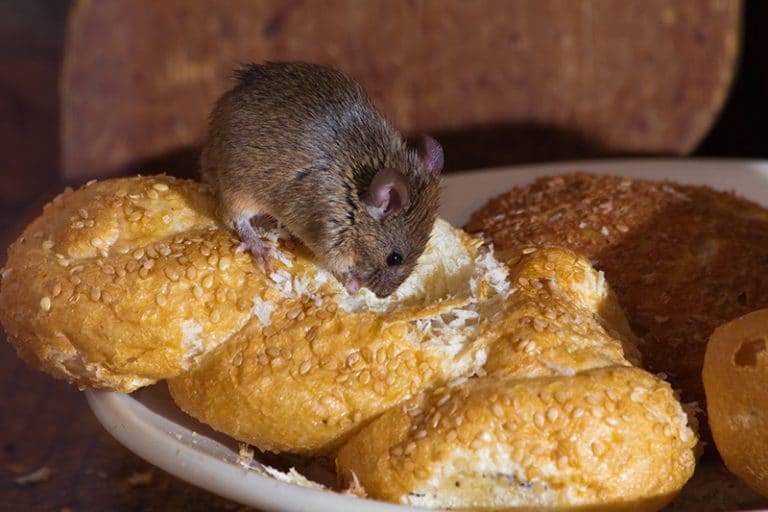
As temperatures start climbing in Cheyenne, homeowners aren’t the only ones shaking off winter. Pests are waking up too, and they’re hungry, looking for shelter, and ready to reproduce. Spring marks the beginning of peak pest season in Wyoming, which means now is the time to take action before a minor nuisance becomes a full-blown infestation.
We’ve put together this comprehensive spring pest control checklist specifically for Cheyenne homeowners. Whether you’re dealing with ants marching across your kitchen counter or worried about wasps setting up shop under your eaves, these proactive steps will help you protect your home and family. And if things get out of hand? We’ll cover when it’s time to call in the professionals.
Why Spring Is Prime Time for Pest Activity in Cheyenne
Cheyenne’s climate creates a unique pest situation. After enduring our harsh Wyoming winters, pests that have been dormant or hunkered down start emerging as soon as temperatures consistently hit the 50s and 60s. This typically happens in late March through April, though our unpredictable spring weather can shift timelines.
Why does this matter? Insects and rodents are driven by two main factors in spring: food and reproduction. Warmer soil temperatures trigger ant colonies to become active again. Spiders emerge from their winter hiding spots looking for prey. Wasps begin building new nests. And rodents that may have spent the winter in your walls or attic? They’re now venturing out more frequently, and potentially inviting friends.
Cheyenne’s semi-arid climate also plays a role. While we don’t deal with the humidity-loving pests that plague other regions, our dry conditions mean pests are actively seeking water sources. Your home, with its dripping faucets, condensation, and stored food, looks like a five-star resort to a thirsty ant colony.
The bottom line: spring pest prevention isn’t just about comfort, it’s about stopping infestations before they gain momentum. A single mouse can produce up to 10 litters per year. One wasp queen can establish a colony of thousands by summer’s end. Taking action now saves you headaches (and money) down the road.
Inspect Your Home’s Exterior for Entry Points
Your first line of defense against pests is your home’s exterior. And here’s the thing, pests don’t need much space to get inside. Mice can squeeze through gaps as small as a dime. Insects? Even smaller.
Start by walking the perimeter of your home on a sunny afternoon when visibility is good. Look for cracks in the foundation, gaps around pipes and utility lines, and deteriorating weatherstripping around doors. Pay special attention to where different building materials meet, like where siding meets the foundation or where brick meets wood trim.
Don’t forget to look up. Roof lines, soffits, and fascia boards are common entry points, especially for wildlife like bats and raccoons. If you notice any damage from winter storms, missing shingles, loose flashing, or rotted wood, address these issues promptly.
Common Problem Areas to Check
Over the years, we’ve seen certain areas cause problems again and again for Cheyenne homeowners:
- Foundation cracks and gaps: Even hairline cracks can widen over time and admit ants, spiders, and other crawling insects.
- Door sweeps and thresholds: Check that your exterior doors seal tightly. If you can see daylight underneath, pests can get through.
- Window screens: Inspect for tears or gaps. Screens with holes larger than 1/16 inch won’t keep out smaller insects.
- Utility penetrations: Where cables, pipes, and wires enter your home, there’s often a gap. Use caulk or steel wool to seal these spots.
- Garage doors: The rubber seal along the bottom deteriorates over time. A worn seal is an open invitation for rodents.
- Dryer vents and exhaust fans: Make sure exterior vent covers have intact screens and close properly.
- Chimney caps: If you have a fireplace, ensure your chimney cap is secure and has proper screening to keep out birds, bats, and raccoons.
Sealing entry points is one of the most cost-effective pest control measures you can take. A tube of exterior-grade caulk costs a few dollars but can prevent expensive infestations.
Clear Debris and Eliminate Standing Water
Now let’s talk about your yard. The landscaping around your home can either deter pests or roll out the welcome mat for them.
Start by clearing any debris that accumulated over winter. Leaf litter, fallen branches, and piles of dead vegetation provide perfect hiding spots and nesting material for pests. Mulch is particularly problematic, while it’s great for your plants, mulch beds against your foundation create a highway for ants, termites, and other insects. Keep mulch at least 6 inches away from your foundation, and consider using rock or gravel instead near the house.
Wood piles are another concern. If you store firewood, keep it at least 20 feet from your home and elevated off the ground. Stacked wood attracts termites, carpenter ants, spiders, and rodents. Only bring in as much firewood as you’ll burn immediately.
Standing water is perhaps the biggest pest attractant in your yard. Even small amounts, a clogged gutter, a plant saucer, an old tire, can breed mosquitoes by the hundreds. Walk your property and eliminate any areas where water collects. This includes:
- Cleaning gutters and downspouts
- Fixing leaky outdoor faucets
- Emptying bird baths weekly
- Ensuring proper drainage away from your foundation
- Turning over wheelbarrows, buckets, and pots when not in use
In Cheyenne’s dry climate, any consistent water source becomes a magnet for pests. Fixing a dripping spigot isn’t just about saving water, it’s about not advertising your property to every thirsty critter in the neighborhood.
Address Indoor Moisture and Ventilation Issues
The same principle applies inside your home. Moisture problems attract pests, plain and simple.
Bathrooms, kitchens, laundry rooms, and basements are the usual suspects. Check under sinks for slow leaks, even minor drips can create enough moisture to attract cockroaches, silverfish, and other moisture-loving pests. That slightly musty smell in your basement? It’s not just unpleasant: it’s potentially attracting pests.
Ventilation matters too. Poor airflow leads to condensation, which leads to moisture buildup. Make sure bathroom exhaust fans actually vent to the outside (you’d be surprised how many just dump humid air into the attic). Run fans during and after showers. In basements and crawl spaces, consider using a dehumidifier to keep relative humidity below 50%.
Crawl spaces deserve special attention. If yours isn’t properly sealed and ventilated, it can become a pest paradise. We recommend inspecting your crawl space at least once a year, look for signs of moisture, wood damage, pest droppings, or nests.
And don’t overlook your attic. Poor attic ventilation can lead to condensation issues that damage insulation and create conditions attractive to pests. Check that soffit vents and ridge vents are clear and functioning properly.
Store Food Properly and Maintain a Clean Kitchen
We can seal every crack and eliminate every water source, but if pests can find food in your home, they’ll find a way in. Your kitchen is ground zero for pest prevention.
Start with storage. Transfer opened dry goods, flour, sugar, cereal, pasta, pet food, into airtight containers. Cardboard boxes and paper bags are no barrier to determined ants or pantry moths. Glass or heavy plastic containers with tight-fitting lids are your best bet.
Cleanliness is equally important. Wipe down counters daily, especially after preparing food. Sweep or vacuum floors regularly, paying attention to areas under appliances and in corners where crumbs accumulate. That space between your stove and counter? It’s probably a buffet of dropped food particles. Pull out appliances periodically for a deep clean.
Don’t forget about the less obvious stuff:
- Empty garbage cans frequently and use cans with tight-fitting lids
- Clean up pet food bowls after feeding, don’t leave food out overnight
- Wipe down the inside of cabinets and pantry shelves
- Check for and clean up spills in refrigerators and freezers
- Rinse recyclables before storing them
Ants, in particular, can detect food sources from impressive distances. A single crumb might seem insignificant to you, but it’s a feast for an ant, and where there’s one ant, there’s usually a whole colony waiting to follow the scent trail.
Watch for Signs of Common Cheyenne Pests
Even with the best prevention efforts, pests can still show up. Knowing what to look for helps you catch problems early.
Ants, Spiders, and Wasps
Ants are some of the most common invaders in Cheyenne homes. If you’re seeing a few ants, there are likely many more you’re not seeing, ants live in colonies that can number in the thousands. Watch for trails of ants, particularly near food sources or along baseboards. Small piles of fine dirt near cracks or foundation areas can indicate ant nests. Different ant species require different treatment approaches, so identification matters.
Spiders are another frequent visitor. While most are harmless, Cheyenne is home to wolf spiders and occasionally black widows, neither of which you want sharing your living space. Check attics, crawl spaces, basements, and undisturbed areas like storage boxes. Look for webs in corners, along ceilings, and around outdoor light fixtures. If you’re seeing lots of spiders, that often means there’s a healthy population of other insects they’re feeding on.
Wasps become increasingly active as spring progresses. Paper wasps and yellowjackets are common in our area. Look for nests under eaves, in bushes, on playground equipment, or in protected outdoor areas. Early spring is actually the best time to address wasp issues, nests are small and queens are just getting started. By summer, a nest can house thousands of wasps.
Rodents and Wildlife
Mice and rats leave telltale signs: droppings (small, dark pellets), gnaw marks on food packaging or wood, and greasy rub marks along walls where they travel. You might also hear scratching or scurrying sounds in walls or ceilings, particularly at night. Rodents reproduce rapidly and can cause significant property damage while also transmitting diseases.
Wildlife issues also increase in spring. Raccoons and skunks may have denned under porches or in crawl spaces over winter. Bats return to roosting sites. Snakes emerge from hibernation. Signs include unusual sounds, odors, disturbed trash, or visible entry damage. If you suspect wildlife has taken up residence, it’s usually best to call a professional rather than attempting removal yourself, many wildlife species are protected, and some can be dangerous when cornered.
When to Call a Professional Pest Control Service
DIY prevention goes a long way, but there are times when professional help is the smart choice.
Call a professional if you’re dealing with:
- Active infestations: If you’re seeing pests regularly even though your prevention efforts, there’s likely a larger problem that requires professional treatment.
- Structural pests: Termites and carpenter ants can cause serious damage to your home. If you notice mud tubes on your foundation, soft spots in wood, or sawdust-like debris, don’t wait.
- Stinging insects near living areas: A wasp nest near your front door or kids’ play area is a safety hazard. Professionals have the equipment and training to remove nests safely.
- Rodent infestations: A mouse or two might be manageable, but if you’re seeing consistent signs of rodent activity, professional intervention can address the root cause and prevent future problems.
- Wildlife intrusion: Bats, raccoons, snakes, and other wildlife require specialized removal techniques. Plus, there are often legal requirements for humane removal.
- Recurring problems: If the same pest issue keeps coming back, you’re probably treating symptoms rather than causes. A professional can identify what’s really going on.
At Best Pest Control, we serve all of Wyoming and have decades of experience dealing with the specific pest challenges Cheyenne homeowners face. We’re a local, family-owned company, founded in 1998 and now operated by the second generation. We offer both traditional and chemical-free pest control options, including organic methods that are safe for homes with kids and pets.
Our approach starts with a thorough inspection of your property, inside and out. We identify the type of pest, locate nests and entry points, and develop a complete treatment plan tailored to your situation. For ongoing protection, we can set up a treatment plan that helps repel pests before they become a problem.
Whether you’re dealing with spiders, ants, termites, wasps, bed bugs, cockroaches, rodents, or wildlife, we’ve seen it all, and we know how to handle it. We’re fully licensed, insured, and offer a service guarantee.
Conclusion
Spring pest control isn’t about achieving perfection, it’s about making your home less attractive to pests than the alternatives. By inspecting your exterior, eliminating moisture and food sources, clearing yard debris, and staying vigilant for signs of pest activity, you’re dramatically reducing your risk of infestation.
The key is taking action now, before pest populations explode with warmer weather. A little prevention in March and April can save you from major headaches in June and July.
If you spot any of these unwelcome visitors in your Cheyenne home, or just want the peace of mind that comes from professional protection, Best Pest Control is here to help. Contact us today to schedule an inspection or set up an ongoing treatment plan. Because when it creeps or crawls, we’ll eradicate it.