
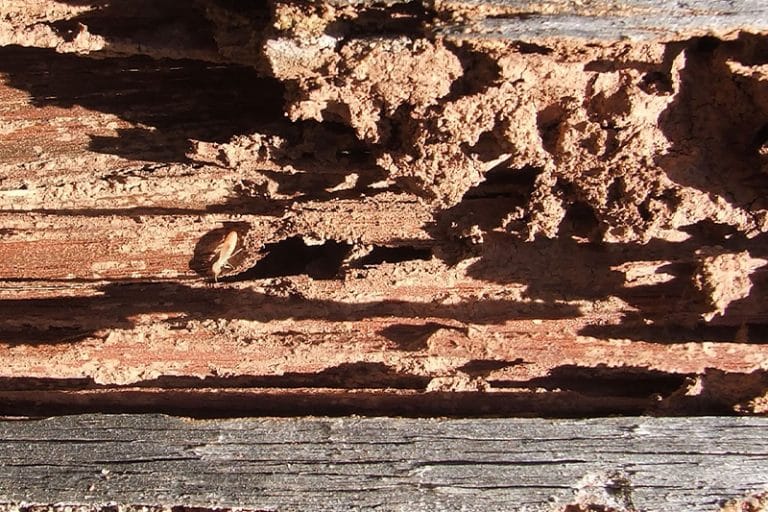
Termites are silent destroyers. They don’t announce their presence with buzzing or scurrying, they just get to work, chewing through wood and compromising your home’s structural integrity before you even realize they’re there. In Cheyenne, where foundations face unique challenges from our semi-arid climate and seasonal temperature swings, termite damage can escalate quickly if left unchecked.
Here’s a sobering statistic: termite damage costs American homeowners up to $5 billion every year. That’s not a typo, billion with a “B.” And unlike storm damage or flooding, most homeowner’s insurance policies don’t cover termite destruction. The financial burden falls squarely on you.
At Best Pest Control, we’ve been protecting Cheyenne homes and businesses since 1998. As a family-owned company now operated by Lance Thompson, we’ve seen firsthand what termites can do to local foundations, and we know exactly how to stop them. In this guide, we’ll walk you through how we identify, treat, and prevent termite infestations around your foundation so you can have absolute peace of mind.
Understanding Termite Threats to Cheyenne Foundations
Wyoming might not be the first place you think of when it comes to termites, we’re not exactly known for tropical humidity. But make no mistake: termites thrive here, and Cheyenne foundations are absolutely at risk.
Our regional climate creates interesting conditions for termite activity. During summer months, when temperatures climb and occasional moisture from storms penetrates the soil, termites become particularly active. They’re drawn to the cool, damp environment around foundations, especially where soil meets concrete or wood framing. The expansion and contraction of soil during freeze-thaw cycles can also create cracks and gaps in foundations, perfect entry points for these persistent pests.
Foundations are especially vulnerable because they provide exactly what termites need: access to wood, moisture from condensation or minor leaks, and protection from predators. Once termites establish a colony near your foundation, they can work undetected for months or even years, hollowing out structural supports from the inside.
Common Termite Species in the Cheyenne Area
In the Cheyenne area, we primarily encounter two types of termites that pose threats to residential and commercial foundations.
Subterranean termites are by far the most common and destructive species we deal with. These termites live in underground colonies that can contain hundreds of thousands of individuals. They build distinctive mud tubes, pencil-width tunnels made of soil, wood particles, and saliva, to travel between their colony and food sources while maintaining the moisture they need to survive. If you’ve ever seen those telltale mud tubes snaking up a foundation wall, you’ve witnessed subterranean termites at work.
Drywood termites are less common in our region but still show up occasionally, particularly in older homes or structures with untreated wood. Unlike their subterranean cousins, drywood termites don’t need contact with soil and can establish colonies entirely within wooden structures. They’re sneakier and often harder to detect until damage becomes significant.
Understanding which species you’re dealing with is crucial because treatment approaches differ. That’s why every termite treatment we perform at Best Pest Control starts with proper identification.
Signs of Termite Activity Near Your Foundation
Catching termites early can save you thousands of dollars in repairs. The problem? These pests are experts at staying hidden. Here’s what we tell Cheyenne homeowners to watch for around their foundations.
Mud tubes are the most obvious red flag. These narrow tunnels typically appear on foundation walls, crawl space supports, or anywhere soil meets your home’s structure. They’re about the width of a pencil and have an earthy, rough texture. If you spot one, don’t disturb it, call us so we can assess whether the colony is still active.
Soft spots in flooring or walls near the foundation level often indicate termite damage. Press on baseboards, door frames, and any wood that contacts or sits close to your foundation. If it feels spongy or sounds hollow when tapped, termites may have been feeding inside.
Discarded wings near windows, doors, or foundation vents suggest a recent termite swarm. Reproductive termites shed their wings after mating flights, usually in spring or early summer. Finding small piles of translucent wings is a clear signal that a colony is nearby, possibly already established in or around your home.
Bubbling or peeling paint on foundation-level walls can indicate moisture buildup from termite activity beneath the surface. Similarly, doors and windows that suddenly stick or won’t close properly might be warping due to termite damage in surrounding frames.
Frass, or termite droppings, appears as tiny wood-colored pellets near wooden structures. This sign is more common with drywood termites and looks almost like sawdust or coffee grounds.
We always recommend that homeowners conduct a quick visual inspection of their foundation perimeter at least twice a year, once in spring when termite activity picks up, and again in fall before winter sets in.
Professional Termite Inspection Process
When you call Best Pest Control for a termite inspection, we don’t just glance at your foundation and hand you an estimate. Our thorough inspection process has been refined over decades of protecting Wyoming homes.
We start with a comprehensive exterior assessment. One of our trained technicians will examine your entire foundation perimeter, checking for mud tubes, wood-to-soil contact points, cracks or gaps in the concrete, and any moisture issues that might attract termites. We look at grading around your home, drainage patterns, and areas where mulch or landscaping materials touch the structure.
Next, we move inside for an interior inspection. This includes checking basements, crawl spaces, and any accessible areas where foundation meets framing. We probe wood with specialized tools to detect hollow sections that indicate internal damage. We’ll also examine plumbing penetrations, utility entries, and expansion joints, all common termite entry points.
For properties where we suspect hidden activity, we may use moisture meters and thermal imaging to detect termite presence behind walls or under flooring. Termites generate heat and moisture as they feed, and these tools help us locate colonies that aren’t visible to the naked eye.
After the inspection, we sit down with you to discuss our findings. We’ll show you exactly what we discovered, explain the extent of any infestation, and recommend the most effective treatment approach for your specific situation. There’s no pressure and no hard sell, just honest information so you can make an well-informed choice.
We recommend annual professional inspections for all Cheyenne homes, even if you haven’t noticed any signs of termite activity. Prevention is always more affordable than repair.
Effective Treatment Methods for Foundation Termites
At Best Pest Control, we use proven treatment methods tailored to each property’s unique situation. There’s no one-size-fits-all solution for termites, what works for a slab foundation differs from what’s best for a home with a crawl space. Here are the primary approaches we employ.
Liquid Barrier Treatments
Liquid barrier treatments remain one of the most effective methods for protecting foundations from termites. Here’s how it works: we apply a specialized termiticide to the soil around and beneath your foundation, creating a continuous chemical barrier that termites cannot cross without being exposed to the treatment.
For existing homes, this involves trenching around the foundation perimeter and injecting termiticide into the soil. We also drill through concrete slabs, patios, or porches where necessary to treat soil beneath these structures. The termiticide we use is designed to transfer between termites, meaning workers carry it back to the colony, spreading it to other members including the queen.
Liquid barriers provide immediate protection and can remain effective for five years or more, depending on soil conditions and the products used. It’s an excellent choice for homes with active infestations that need rapid elimination, as well as for preventive treatment on new construction.
Bait Station Systems
Bait stations offer a different approach that many homeowners appreciate for its minimal environmental impact. We install monitoring stations at strategic intervals around your foundation, typically every 10 to 15 feet. These stations contain wood or cellulose material that attracts foraging termites.
We inspect the stations regularly, and when we detect termite activity, we replace the monitoring material with bait containing a slow-acting insecticide. Termites feed on the bait and share it with their colony, gradually eliminating the entire population including the queen.
Bait systems are particularly effective for ongoing protection and monitoring. They work well for environmentally conscious homeowners since they use minimal amounts of active ingredients targeted specifically at termites. The trade-off is that elimination takes longer than liquid treatments, sometimes several months to fully collapse a colony.
In many cases, we recommend a combination approach: liquid treatment for immediate knockdown of active infestations, followed by bait stations for long-term monitoring and protection. This gives you the best of both worlds.
Protecting Your Foundation After Treatment
Eliminating an active termite infestation is only half the battle. To keep your Cheyenne foundation protected for the long haul, you’ll need to address the conditions that attracted termites in the first place.
Reduce wood-to-soil contact wherever possible. This means keeping mulch, landscaping timbers, and firewood at least 12 inches away from your foundation. If you have wooden siding or framing that touches the ground, consider having those areas modified or protected with metal flashing.
Manage moisture around your foundation. Fix leaky faucets, air conditioning drip lines, and any plumbing issues promptly. Make sure your gutters direct water away from the foundation, ideally at least four feet from the structure. Grade your yard so water flows away from, not toward, your home.
Seal entry points. Cracks in your foundation, gaps around utility penetrations, and spaces where pipes enter your home should all be sealed with appropriate materials. This won’t stop determined termites entirely, but it reduces easy access points.
Maintain proper ventilation in crawl spaces and basements. High humidity creates the damp conditions termites love. Consider installing vapor barriers in crawl spaces and using dehumidifiers in basements if moisture is a persistent problem.
Schedule regular professional inspections. Even with the best preventive measures, termites are persistent. Annual inspections by our team at Best Pest Control help catch any new activity early, before it becomes a costly problem.
We also recommend homeowners stay vigilant about monitoring their property between professional visits. A quick walk around your foundation every few months takes just minutes and could save you thousands.
When to Schedule Termite Treatment Services
Timing matters when it comes to termite treatment, but not always in the way people expect. The short answer is: if you suspect termites, call us immediately. There’s no bad time to address an active infestation.
That said, certain situations warrant urgent attention:
- You’ve discovered mud tubes on your foundation or interior walls
- You’re seeing swarming termites (winged reproductives) inside your home
- A home inspection revealed termite damage or activity
- You’ve noticed soft spots, buckling floors, or hollow-sounding wood near ground level
- You’re purchasing a new home and want preventive treatment before moving in
For preventive treatments, spring and early summer are ideal times in the Cheyenne area. Termites become most active as soil temperatures rise, so establishing barriers before peak activity season provides maximum protection.
If you’re building a new home or addition, we strongly recommend pre-construction treatment. Treating the soil before your foundation is poured creates a protective barrier from day one and is far more economical than treating after construction.
Real estate transactions often trigger termite inspections and treatments. Whether you’re buying or selling, having documentation of a professional inspection, and treatment if necessary, protects everyone involved.
At Best Pest Control, we understand that pest problems don’t wait for convenient timing. That’s why we respond quickly to termite concerns throughout Cheyenne and all of Wyoming. When you call us, we’ll get a technician to your property as soon as possible to assess the situation and recommend next steps.
Conclusion
Your foundation is literally what your home stands on, it’s not something you want termites compromising. The good news is that with professional treatment and ongoing vigilance, termite damage is entirely preventable.
At Best Pest Control, we’ve spent over two decades protecting Cheyenne homes from these destructive pests. As a local, family-owned company, we’re invested in our community and take pride in the work we do. Our promise is simple: we’ll get rid of the bugs and pests so you can have absolute peace of mind.
If you’ve noticed any signs of termite activity around your foundation, mud tubes, soft spots in wood, discarded wings, or anything else that concerns you, don’t wait. Contact Best Pest Control today for a thorough inspection. We’ll assess your situation, explain your options clearly, and develop a treatment plan that protects your home for years to come.
Your foundation deserves the best protection. Let us help you provide it.