
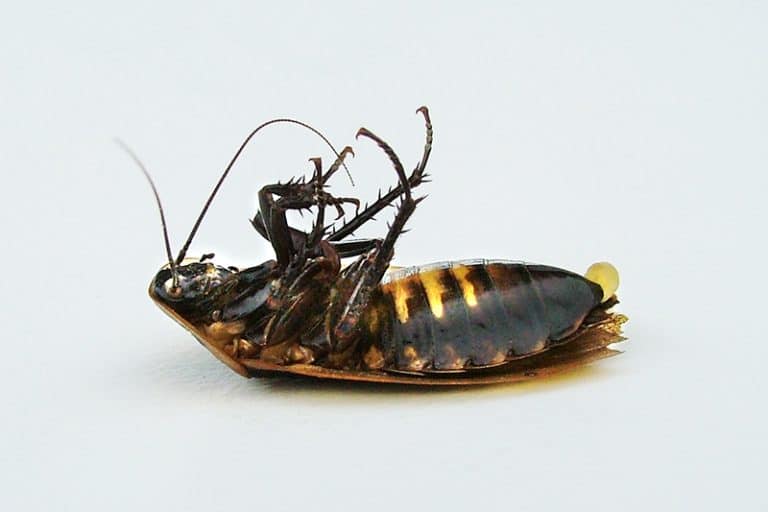
You flip on the kitchen light at 2 a.m. for a glass of water, and there it is, a single cockroach scurrying across the counter before disappearing behind the toaster. Your first instinct might be to shrug it off. After all, it’s just one bug, right?
Here’s the uncomfortable truth we’ve learned from years of pest control work across Cheyenne and all of Wyoming: that lone cockroach you spotted is almost never actually alone. Cockroaches are secretive creatures that spend roughly 75% of their lives hidden away in dark crevices. If one has ventured out into the open where you can see it, there’s a strong chance many more are lurking behind your walls, under appliances, and in places you’d rather not think about.
At Best Pest Control, we’ve responded to countless calls that started with “I only saw one roach.” By the time we inspect, we often uncover a well-established colony. Understanding why a single sighting is cause for concern, and knowing what to do about it, can save Cheyenne homeowners from a full-blown infestation.
Cockroaches Are Masters at Hiding
Cockroaches didn’t survive for over 300 million years by being careless. These insects have evolved to be exceptionally good at staying out of sight, which is precisely why spotting even one should raise alarm bells.
Nocturnal Behavior and Daytime Sightings
Cockroaches are predominantly nocturnal. They spend their days tucked into tight, dark spaces and emerge at night to forage for food and water. This behavior pattern has a significant implication: if you’re seeing a cockroach during daylight hours, or even when you turn on the lights at night, something unusual is happening.
Typically, daytime sightings indicate one of two things, either the roach has been forced out of its hiding spot due to overcrowding, or the population has grown large enough that competition for resources is pushing individuals into the open. Neither scenario is good news.
We’ve encountered situations where homeowners spotted a single roach in broad daylight and assumed it was a fluke. Upon inspection, we discovered the infestation had become so severe that roaches were literally being crowded out of their preferred hiding areas. By that point, treatment becomes more extensive and time-consuming.
Common Hiding Spots in Cheyenne Homes
Knowing where cockroaches hide can help you understand why they’re so difficult to detect, and eliminate, without professional help. In Cheyenne homes, we consistently find roaches in predictable locations:
- Behind and beneath kitchen appliances: Refrigerators, stoves, and dishwashers generate warmth and are close to food sources. The gap between your fridge and the wall? Prime roach real estate.
- Inside wall voids and electrical outlets: Cockroaches can squeeze through incredibly small gaps. A crack of 1/16 inch is all a German cockroach needs to slip through.
- Under sinks and around plumbing: Moisture attracts roaches, and the spaces around pipes provide perfect entry points and harborage.
- Inside cardboard boxes and paper clutter: Roaches actually feed on the glue used in cardboard and book bindings. That stack of boxes in your garage? It could be hosting an entire colony.
- Basement and crawl space areas: Cheyenne’s older homes often have basements that provide the dark, damp conditions roaches prefer.
The point here is that cockroaches can enter your home through even the smallest crack and immediately find dozens of hiding spots you’d never think to check.
One Roach Often Signals a Larger Infestation
Let’s address the question most Cheyenne homeowners ask us: “I only saw one, how bad could it really be?” The answer, unfortunately, is that single sightings rarely tell the whole story.
Research suggests that for every cockroach you see, there may be dozens, or even hundreds, hiding nearby. Some estimates put the ratio as high as 1:800 in severe infestations. While we don’t want to cause unnecessary panic, we do want homeowners to understand the math working against them.
How Quickly Cockroach Populations Grow
Cockroach reproduction rates are genuinely alarming. A female German cockroach, the most common species we encounter in Cheyenne homes, can produce up to 400 offspring in her lifetime. And here’s the kicker: those offspring reach reproductive maturity in as little as 36 days under favorable conditions.
Let’s break that down practically. Say a single pregnant female cockroach hitchhikes into your home in a grocery bag (a common occurrence). Within two months, you could have dozens of roaches. Within six months? Potentially thousands.
This exponential growth explains why over-the-counter sprays and traps often fail to solve the problem. By the time you notice roaches and head to the hardware store, the population has likely already established multiple nesting sites throughout your home. You might kill the roaches you can see, but you’re barely making a dent in the ones you can’t.
We’ve seen well-meaning homeowners battle roach problems for months with DIY methods, only to call us when the situation becomes unbearable. The delay usually means a more extensive treatment process, and more disruption to their daily lives.
Health Risks Cockroaches Bring to Your Home
Cockroaches aren’t just a nuisance, they’re a legitimate health concern. Understanding the risks they pose helps explain why we take every sighting seriously, even in seemingly minor cases.
Cockroaches are known carriers of various pathogens, including Salmonella, E. coli, and Staphylococcus. They pick up bacteria as they crawl through sewers, drains, garbage, and decaying matter, then transfer those pathogens to your kitchen surfaces, food preparation areas, and anywhere else they travel.
Their feces, which, by the way, resemble coffee grounds or black pepper, contain proteins that trigger allergic reactions and asthma symptoms. Studies have shown that cockroach allergens are particularly problematic for children. In urban environments, cockroach exposure has been linked to increased emergency room visits for asthma attacks.
But it’s not just their droppings. Cockroach saliva, shed skins, and decomposing body parts all contribute to indoor allergen levels. In homes with established infestations, these allergens can become airborne and affect everyone living there, even family members who’ve never had allergies before.
We’ve worked with Cheyenne families who couldn’t figure out why their kids’ allergy symptoms suddenly worsened, only to discover a hidden roach problem behind kitchen cabinets. Once we eliminated the infestation and performed a thorough cleaning, the symptoms improved significantly.
There’s also the psychological toll to consider. Many people experience genuine distress knowing roaches are sharing their living space. Sleep suffers, stress increases, and the constant worry takes a real toll on quality of life.
Why Cheyenne’s Climate Creates Unique Challenges
You might think Wyoming’s cold winters would keep cockroach populations in check. In some ways, you’d be right, but Cheyenne’s climate also creates conditions that can actually worsen indoor infestations.
Cockroaches can’t survive extreme cold. When temperatures drop below freezing, they seek shelter in the warmest places available, which often means your home. Cheyenne’s harsh winters drive roaches indoors with a vengeance, and once they’re inside, they have zero incentive to leave.
Our long heating season creates another issue. Homes running furnaces for months on end maintain the warm, consistent temperatures cockroaches need to thrive and reproduce. While outdoor roach activity drops dramatically in December and January, indoor populations can continue growing unchecked.
Cheyenne’s semi-arid climate plays a role too. Cockroaches need water to survive, and during dry periods, they’re drawn to any available moisture source. Leaky pipes, condensation around air conditioners, pet water bowls, these become magnets for thirsty roaches.
We also see seasonal patterns in our service calls. Late fall typically brings a spike in cockroach sightings as insects move indoors to escape the cold. Spring brings another uptick when increased outdoor activity and opening windows and doors give roaches more opportunities to enter homes.
The bottom line? Cheyenne’s climate doesn’t protect you from cockroaches, it just changes how and when they become a problem. Year-round vigilance is essential.
Signs of a Hidden Cockroach Problem
Beyond actual sightings, cockroaches leave behind several telltale signs. Knowing what to look for can help you catch an infestation early, before it becomes a major problem.
Droppings: Cockroach feces vary in appearance depending on the species, but they generally look like small dark specks, similar to coffee grounds or black pepper. You’ll often find them in kitchen drawers, under sinks, behind appliances, and along baseboards. Heavy accumulations indicate a well-established population.
Egg casings (oothecae): Cockroaches produce distinctive egg cases that are brown, oval-shaped, and about 8mm long. Finding these casings, whether empty or intact, confirms breeding activity in your home.
Musty odor: Large cockroach populations produce a distinctive, unpleasant smell often described as oily or musty. If you notice an unusual odor you can’t identify, especially in enclosed areas like cabinets or closets, roaches could be the culprit.
Smear marks: In areas with high moisture, cockroaches leave irregular brown smear marks as they travel. Check along walls, floors, and horizontal surfaces where roaches might crawl.
Shed skins: Cockroaches molt multiple times as they mature, leaving behind cast-off exoskeletons. Finding these papery skins indicates active roach development in your home.
Physical damage: Cockroaches feed on almost anything, food, paper, fabric, leather, even book bindings and wallpaper glue. Unexplained damage to these materials could point to roach activity.
If you notice any of these signs in your Cheyenne home, don’t wait for a visual confirmation. The evidence is already telling you there’s a problem worth addressing.
What to Do After Spotting a Cockroach
So you’ve seen a roach. Now what? Your next steps can make the difference between a quick resolution and a prolonged battle.
Don’t panic, but don’t ignore it either. That single sighting warrants investigation. Take a flashlight and check the common hiding spots we mentioned earlier, behind appliances, under sinks, around plumbing connections. Look for droppings, egg casings, or other signs of activity.
Eliminate food and water sources immediately. Store all food in sealed containers. Clean up crumbs and spills promptly. Fix any leaky faucets or pipes. Empty pet water bowls overnight. These steps won’t eliminate an existing infestation, but they’ll slow population growth and make your home less hospitable.
Reduce clutter. Cardboard boxes, stacks of paper, and general clutter provide hiding spots and food sources. Clearing these out removes roach harborage and makes treatment more effective.
Seal entry points where possible. Caulk gaps around pipes, seal cracks in walls, and install door sweeps. Remember, cockroaches can enter through incredibly small openings.
Consider professional help. Store-bought sprays and bait traps can kill individual roaches, but they rarely address the root of an infestation. Cockroaches reproduce quickly and can turn into a huge, property-wide problem even when you’re using over-the-counter products.
At Best Pest Control, we take a comprehensive approach to cockroach elimination. We identify the species involved, locate nesting sites, and develop a treatment plan tailored to your specific situation. Our technicians understand Cheyenne homes and the unique challenges our local climate presents.
The earlier you address a cockroach problem, the easier it is to resolve. Waiting until the infestation becomes severe means longer treatment times, greater expense, and more disruption to your daily life.
Conclusion
That one cockroach you spotted in your Cheyenne home isn’t just an isolated pest, it’s likely a warning sign of a much larger problem developing behind your walls. These resilient insects are experts at hiding, reproduce at staggering rates, and pose real health risks to your family.
Cheyenne’s climate doesn’t offer the protection you might expect. Cold winters drive roaches indoors, and our long heating season creates ideal conditions for year-round breeding. By the time you see a roach in the open, the population has usually grown well beyond what DIY methods can handle.
The key takeaway? Don’t dismiss a single sighting. Investigate promptly, take immediate steps to reduce food and water sources, and seriously consider professional treatment before the problem escalates.
If it creeps or crawls, contact Best Pest Control. We’ve been serving Cheyenne and all of Wyoming for years, and we know how to eradicate cockroach infestations thoroughly. Don’t let one roach turn into a thousand, give us a call at the first sign of trouble, and we’ll help you reclaim your home.
